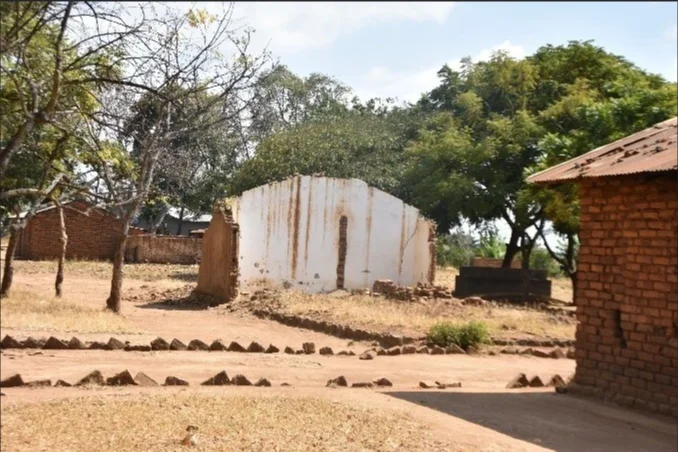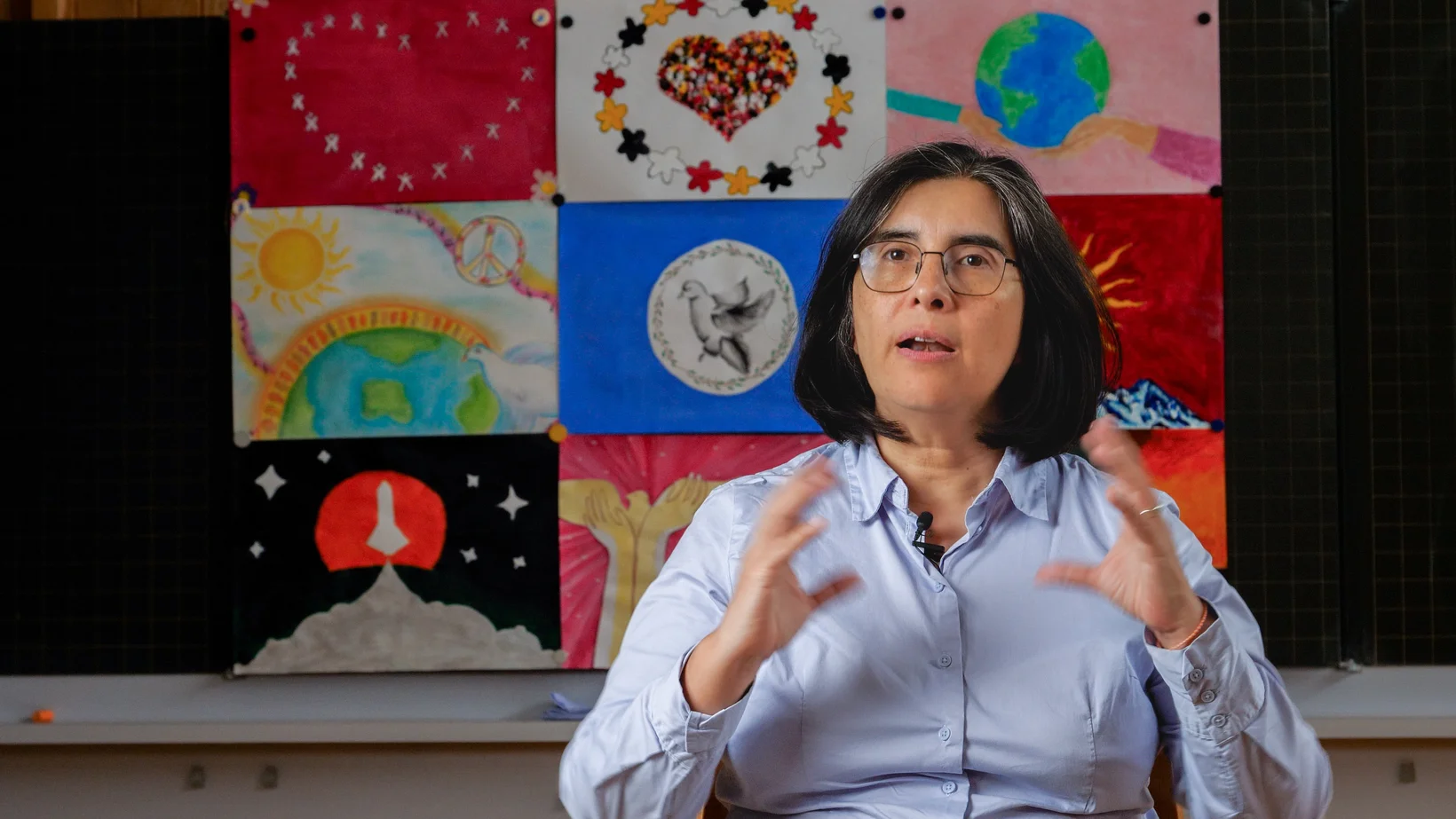
Conflicts, displacement and natural disasters can disrupt children’s schooling from one day to the next. In this interview, Bertha Camacho, Head of Programmes, explains why education is a key component of crisis response, how child protection and access to education are interlinked, and how schools can prepare for emergencies.
Many people think of emergency aid first and foremost in terms of food, water or medical care. Why can’t education wait, particularly in crisis situations?
Education does not save lives directly in the same way as food, water or medical care. However, it protects children from the long-term consequences of a crisis.
Schools and learning spaces offer stability, safety and a sense of direction. They can help children come to terms with difficult experiences and reduce risks such as child labour, exploitation or violence.
Education is therefore not merely part of the reconstruction process, but a vital component of humanitarian aid.
“Whilst other organisations provide, for example, food, water, medical care or shelter, the PCF contributes its expertise in the field of education.”
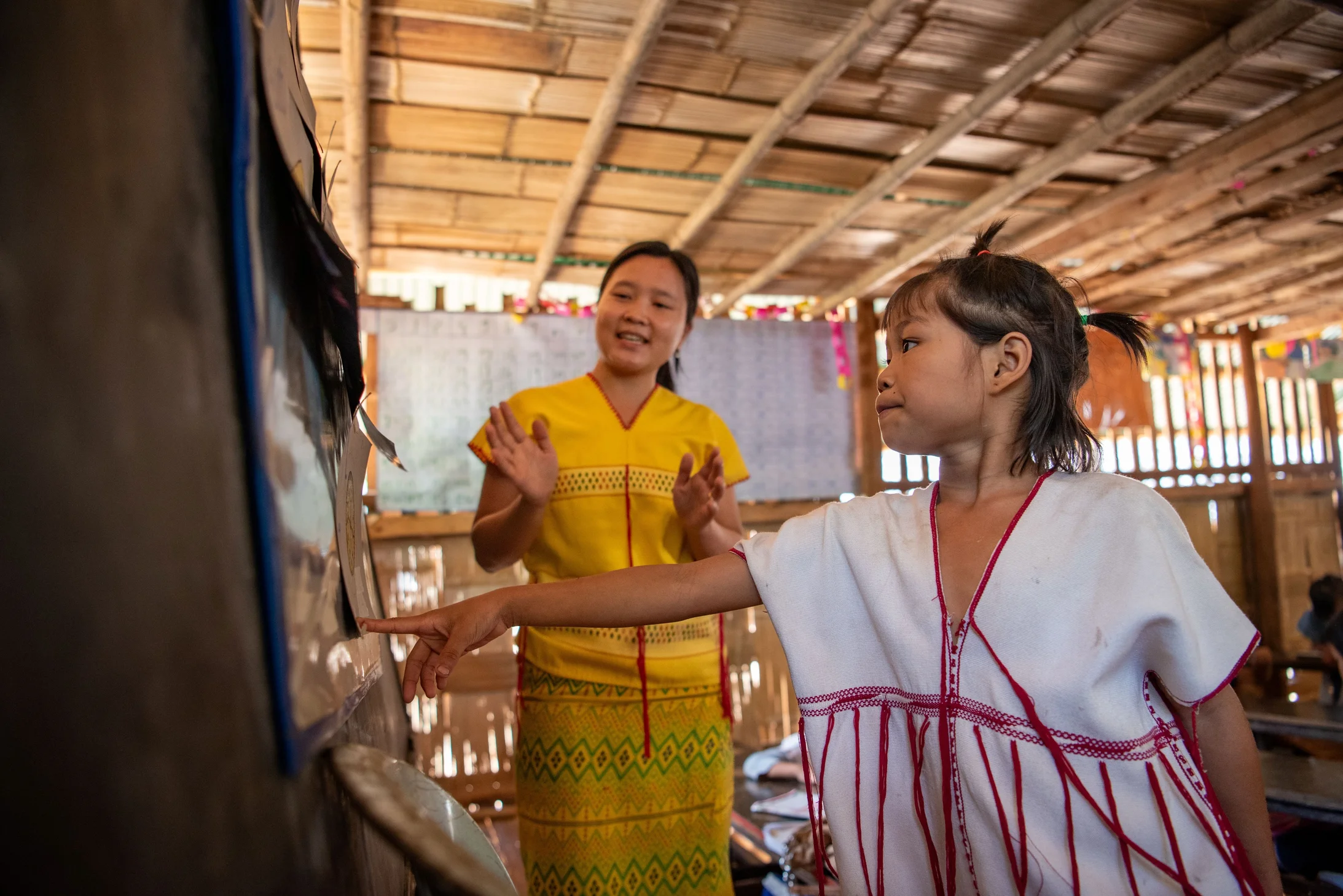
What does the PCF mean by ‘education in emergency situations’ – and what role does child protection play in this?
For the PCF , education in emergency situations means that children continue to have access to safe, high-quality education even during or after crises, conflicts, displacement or natural disasters.
This includes safe learning spaces, water and sanitation, learning materials, teacher training and psychosocial support.
At the same time, child protection is a central component. In crisis situations, the risk of violence, neglect, exploitation and abuse increases. That is why educational provision is combined with protective measures.
Trained teachers and effective protection mechanisms in schools are vital in this regard. Teachers, parents and communities are also made aware of children’s rights, child protection and the early identification of risks.
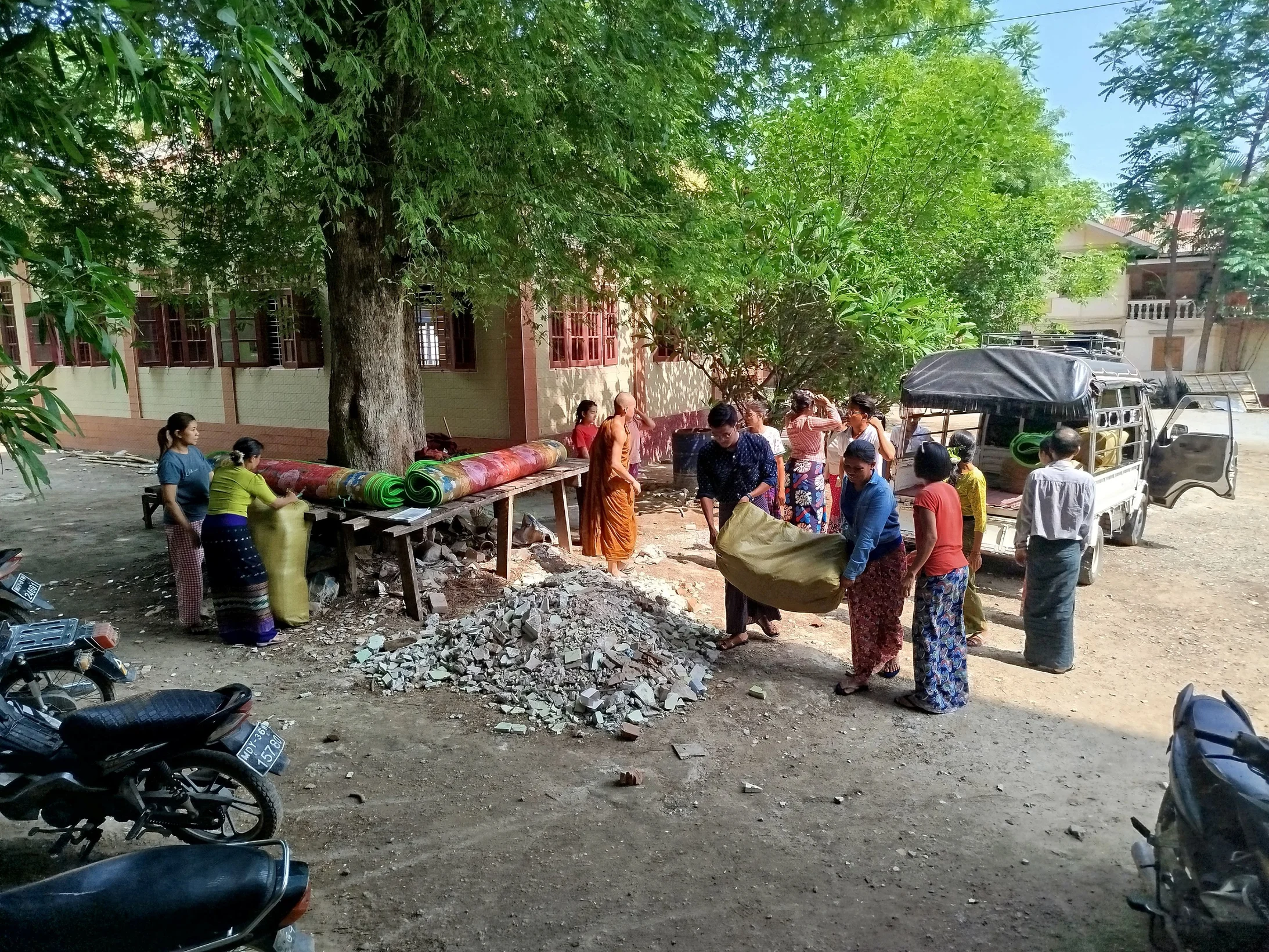
This is how the PCF supports children in crisis situations
Can you give a specific example that illustrates how the PCF enables children in crisis situations to access education?
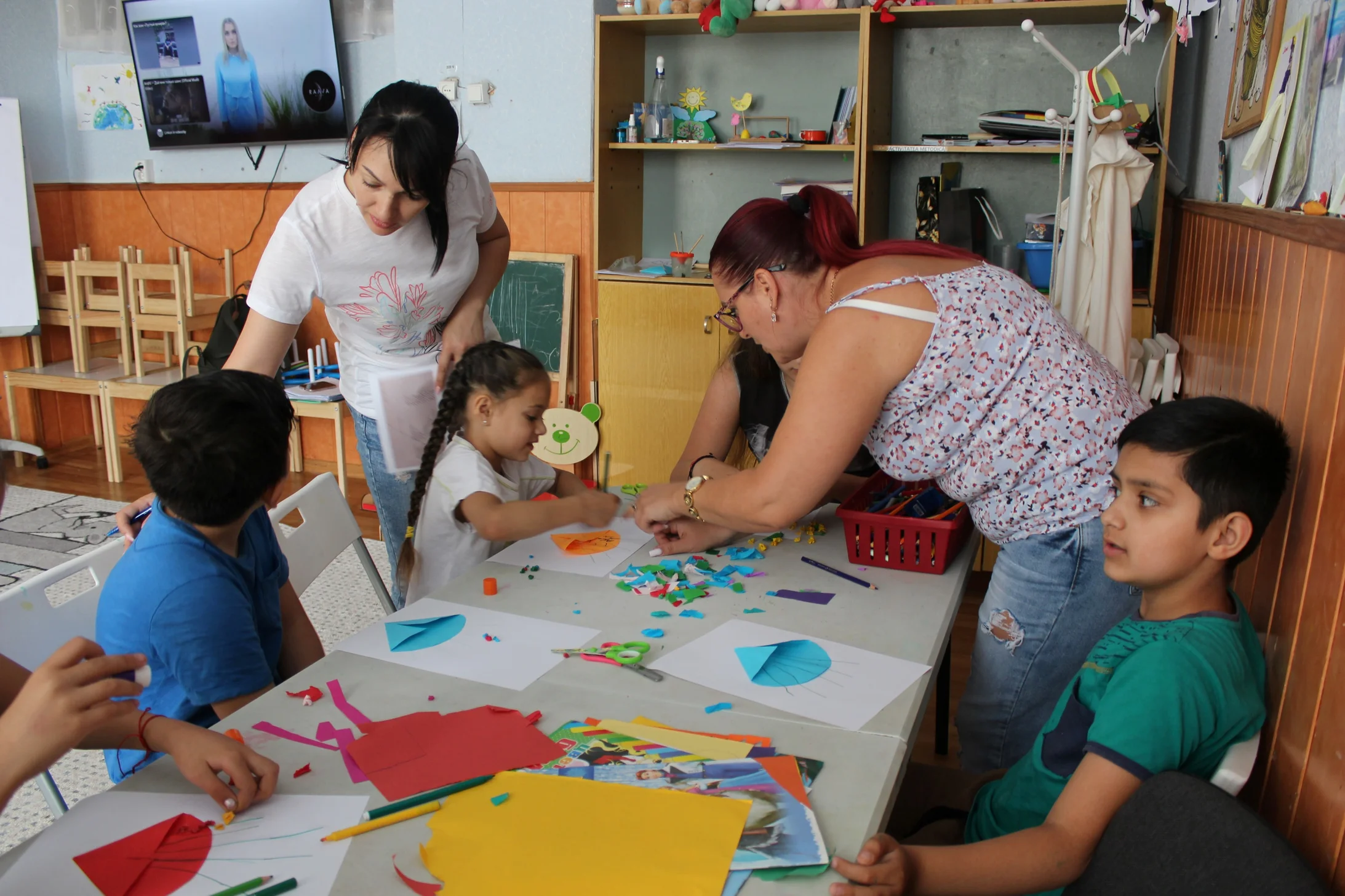
A recent example is the PCF work in Moldova. Since the start of the war in Ukraine, the PCF has been helping Ukrainian refugee children and their families to ensure the children can continue their education.
Together with local partner organisations and authorities, the PCF promotes access to schools, supports social integration and provides psychosocial support.
‘This enables the children to continue their education whilst also providing them with stability and guidance in a difficult life situation.’
How does the PCF manage to maintain its educational programmes even under difficult conditions?
The PCF works closely with local partner organisations, schools, authorities and communities. This enables it to develop solutions tailored to each specific situation.
Depending on needs, the PCF supports safe learning spaces, provides learning materials, delivers teacher training, offers psychosocial support or enables particularly disadvantaged children to attend school through material support.
At the same time, the PCF invests in preparedness and capacity-building. Staff in the country offices are trained in emergency preparedness and crisis planning, and partner organisations are supported in maintaining educational provision even during crises.
In addition, the PCF has set up a fund for education in emergency situations. This ensures that financial resources are rapidly made available in the event of conflicts, displacement or natural disasters.
No one must be left behind
What does the ‘Leave No One Behind’ principle mean in practical terms for the PCF educational work in crisis situations?
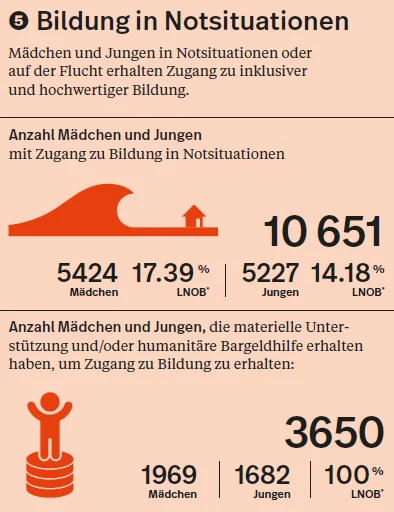
‘Leave No One Behind’ means specifically targeting those children who are particularly at risk of being excluded from education.
These include, for example, refugee children, children with disabilities, girls, children from ethnic or linguistic minorities, children affected by poverty, and children in remote regions.
Together with its partner organisations, the PCF analyses which groups are particularly at risk and tailors its measures to their needs.
In which countries and crisis contexts is the PCF currently implementing projects in the field of education in emergency situations?
The causes of disruptions to education vary from country to country. The countries currently prioritised include Moldova, Ethiopia, Mozambique, Honduras, Thailand and Myanmar.
In Moldova, the PCF supports Ukrainian refugee children in continuing their schooling, integrating into society and strengthening their psychosocial wellbeing.
In Ethiopia, conflicts, displacement and climate-related crises are hindering many children’s access to education. The PCF therefore promotes the continuation of their education, child protection and reintegration into the school system.
In Mozambique, cyclones, floods and other natural disasters regularly lead to school closures. The focus is therefore on resilient schools and emergency preparedness.
In Honduras, the main priority is to ensure that education continues following climate-related disasters such as floods and extreme weather events.
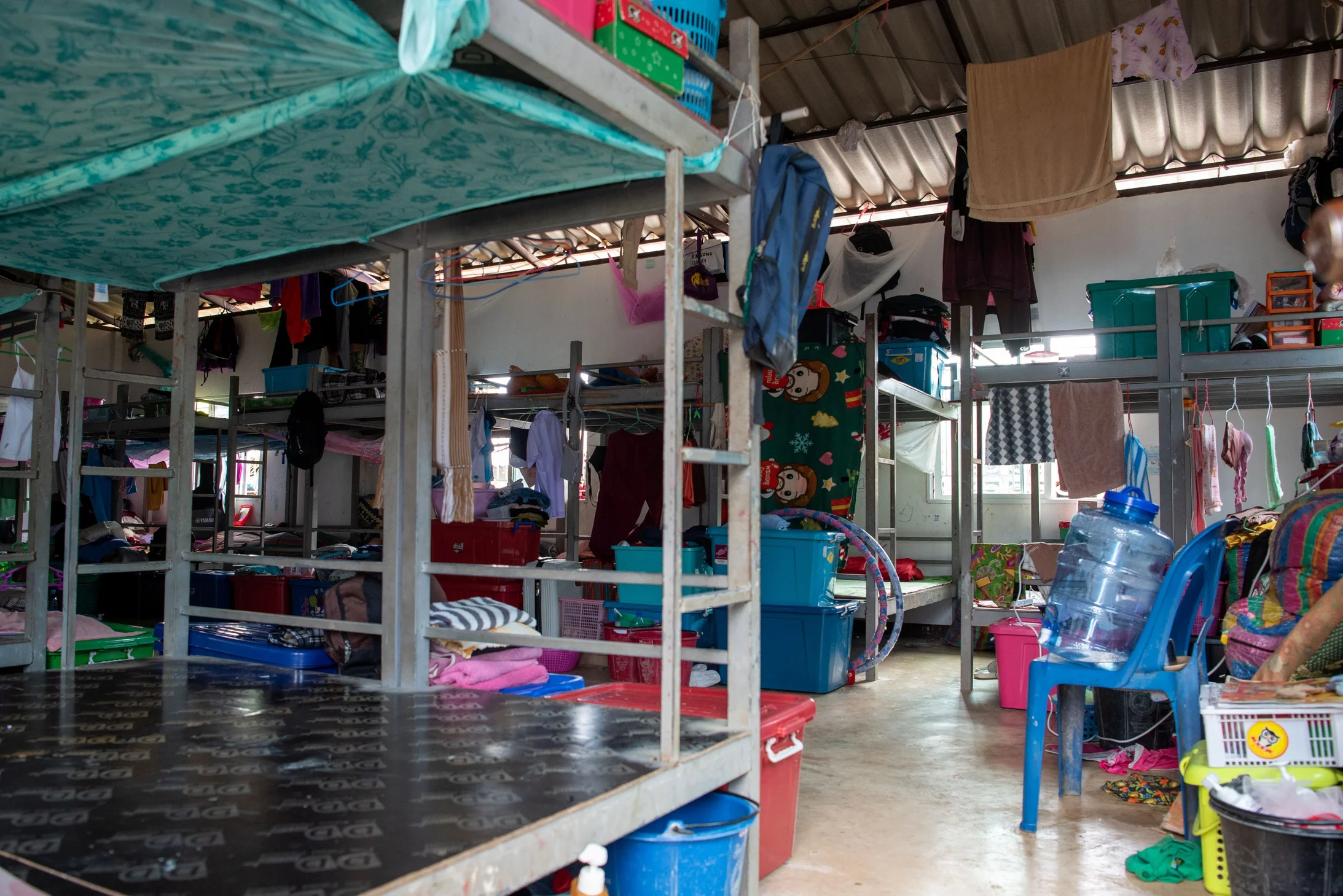
In Thailand and along the border with Myanmar, the PCF supports, amongst others, displaced children, ethnic and linguistic minorities, and children in refugee camps affected by conflict.
In Myanmar, following the earthquake, the PCF is working alongside Swiss Solidarity to support the repair and reconstruction of destroyed schools. The aim is to enable children to regain safe access to education as quickly as possible and to provide them with psychosocial support.
This external content is currently hidden. If you wish to enable it, press the button below.
I agree to display content from external services. They may receive and store personal data. See our privacy policy for more informationThe number of children whose education is disrupted by crises, conflicts or natural disasters is rising worldwide.
Why the PCF is placing greater emphasis on this issue
Why has the PCF decided to enshrine education in emergency situations as a cross-cutting theme in its 2025–2028 programme strategy?
The number of children whose education is disrupted by crises, conflicts or natural disasters is rising worldwide. In several countries where we operate – such as Ethiopia, Mozambique, Myanmar, Thailand and Moldova – such crises also have a direct impact on access to education.
That is why the PCF has decided to systematically integrate education in emergency situations into its work. The aim is to prevent disruptions to education and to give children prospects for the future, even in difficult situations.
A look into the future
How can schools and education systems become more resilient to crises and natural disasters?
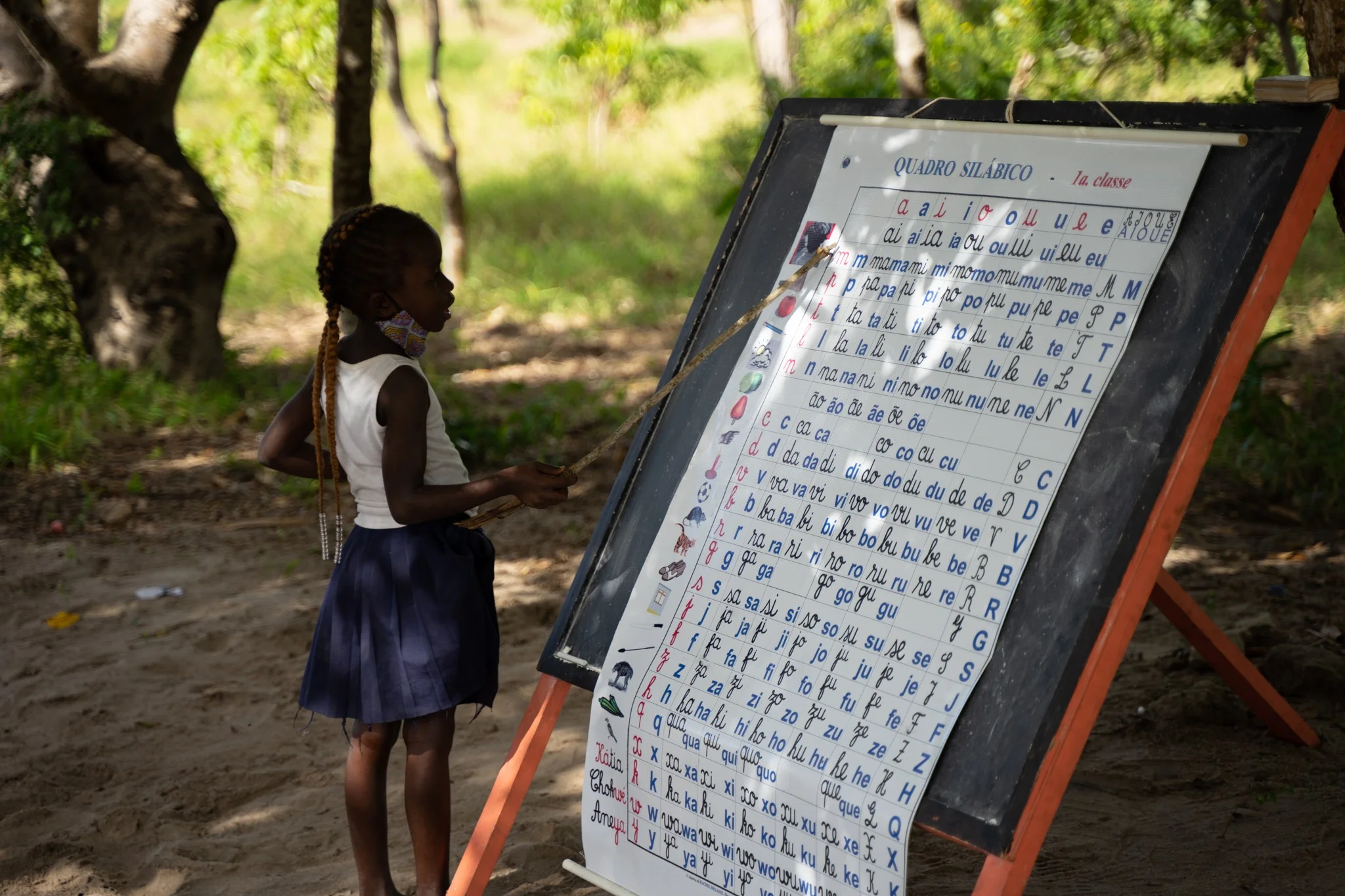
Resilient education systems are not created only after a crisis, but through targeted preparation. The PCF supports schools and education authorities in identifying risks at an early stage and preparing for emergencies.
This includes, for example, disaster management and evacuation plans, safe and climate-resilient school buildings, emergency response teams, early warning systems and strategies to ensure that teaching can continue as far as possible during a crisis.
Equally important are the professional development of teachers, risk and climate education in the classroom, and the involvement of parents and local communities. In this way, schools can respond more effectively to crises and provide a safe learning environment in the long term.