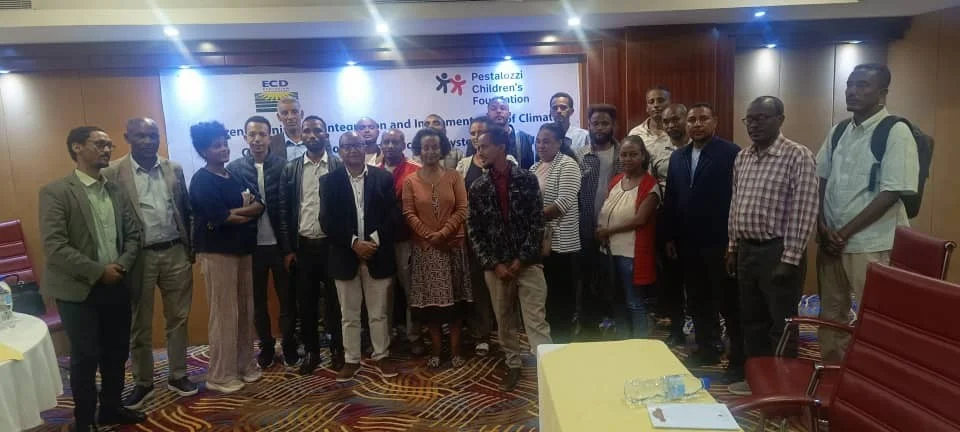
How can schools better prepare children and communities for the growing impacts of climate change? This question was at the centre of a national workshop organized by the Pestalozzi Children’s Foundation (PCF) in Ethiopia, bringing together key actors from the education, environmental and civil society sectors to strengthen the integration of climate change education into the country’s education system.
The workshop titled ‘Strengthening and Implementing the Integration of Climate Change Education into the Education System’ gathered a total of 26 participants from the Federal Ministry of Education, Addis Ababa Education Bureau, the Environmental Protection Authority, the Authority for Civil Society Organizations (ACSO), schools and PCF partner organizations to exchange experiences, discuss challenges and identify concrete ways forward for climate-responsive education.
Climate Change Is Already Affecting Education
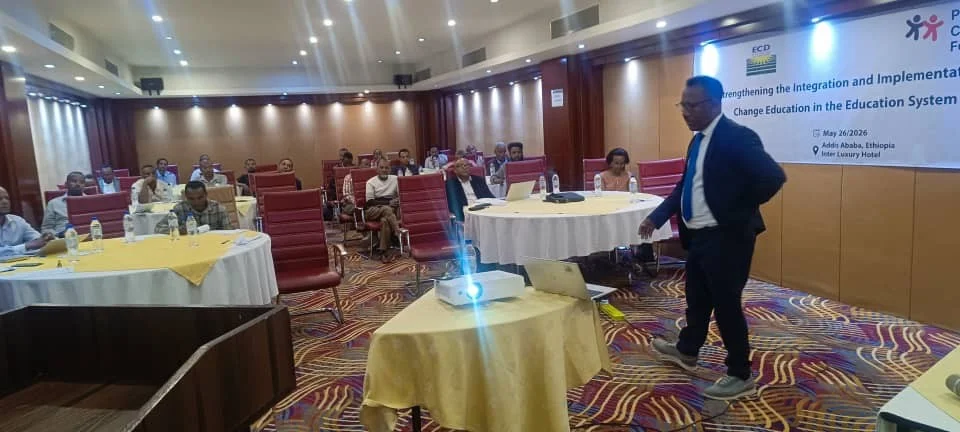
Opening the workshop, Abebe Demisu, PCF Country Representative, highlighted how climate-related hazards such as flooding, drought and landslides are increasingly affecting children’s access to education. Damaged school infrastructure, interrupted academic calendars and growing inequalities continue to place vulnerable children at greater risk. He emphasized the importance of collaboration among government institutions, schools, civil society organizations and development partners to strengthen resilience within the education system.
Representing the Federal Ministry of Education, Nigatu Abebe recognized PCF’s long-standing contribution to inclusive and quality education in Addis Ababa, the Amhara Region and the South Ethiopia Region. He also noted that PCF’s work on climate change education and green school initiatives strongly supports the Ministry’s vision of building future-oriented and resilient schools.
Sharing Knowledge and Practical Experience
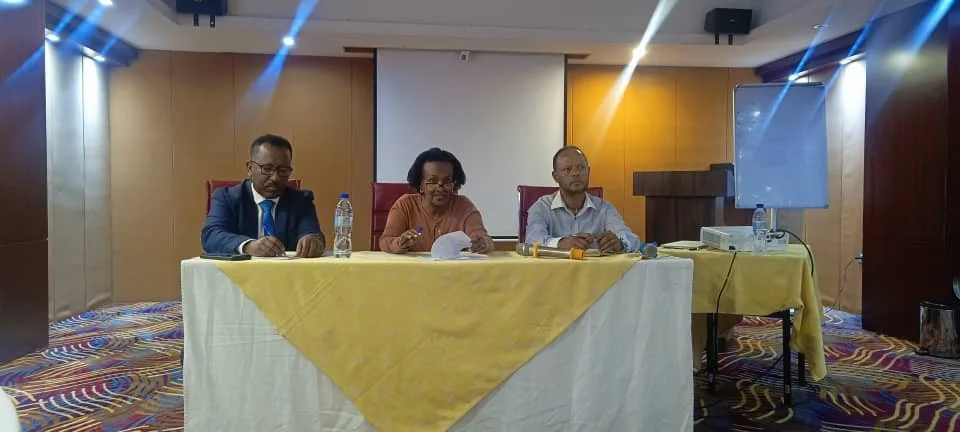
The workshop combined technical expertise with practical examples from the field. Endashaw Mogessie, Executive Director of the Population, Health and Environment Consortium, provided an overview of key climate change concepts, the evolution of the global climate agenda and the impacts of climate change across sectors, including education. His presentation also highlighted relevant national and international policy frameworks as well as the important role schools can play in strengthening environmental awareness and resilience.
Participants also learned more about PCF-supported innovation projects presented by Demelash Teshome, ECD Project Manager. The session showcased school- and community-based initiatives that promote environmental sustainability, climate change education and active student participation. A short video illustrated how these approaches are already creating positive change at local level.
A Shared Commitment
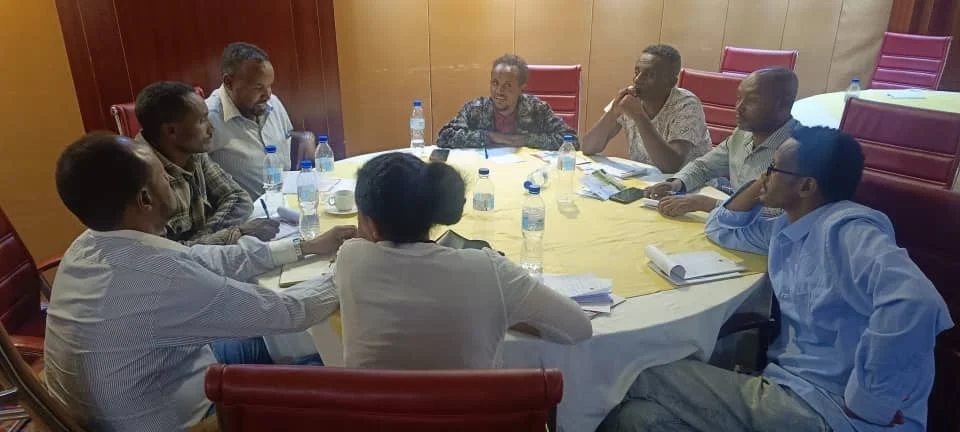
The workshop reaffirmed a shared commitment among government institutions, civil society organizations and development partners to equip schools and communities with the knowledge, skills and resilience needed to address the growing impacts of climate change.
By strengthening climate change education today, stakeholders are helping create more resilient schools and better opportunities for future generations.
A shared commitment
Theworkshop reaffirmed the shared commitment of government institutions, civil society organisations and development partners to equip schools and communities with the knowledge, skills and resilience needed to address the increasing impacts of climate change.
By strengthening climate change education today, stakeholders are helping to create more resilient schools and better opportunities for future generations.