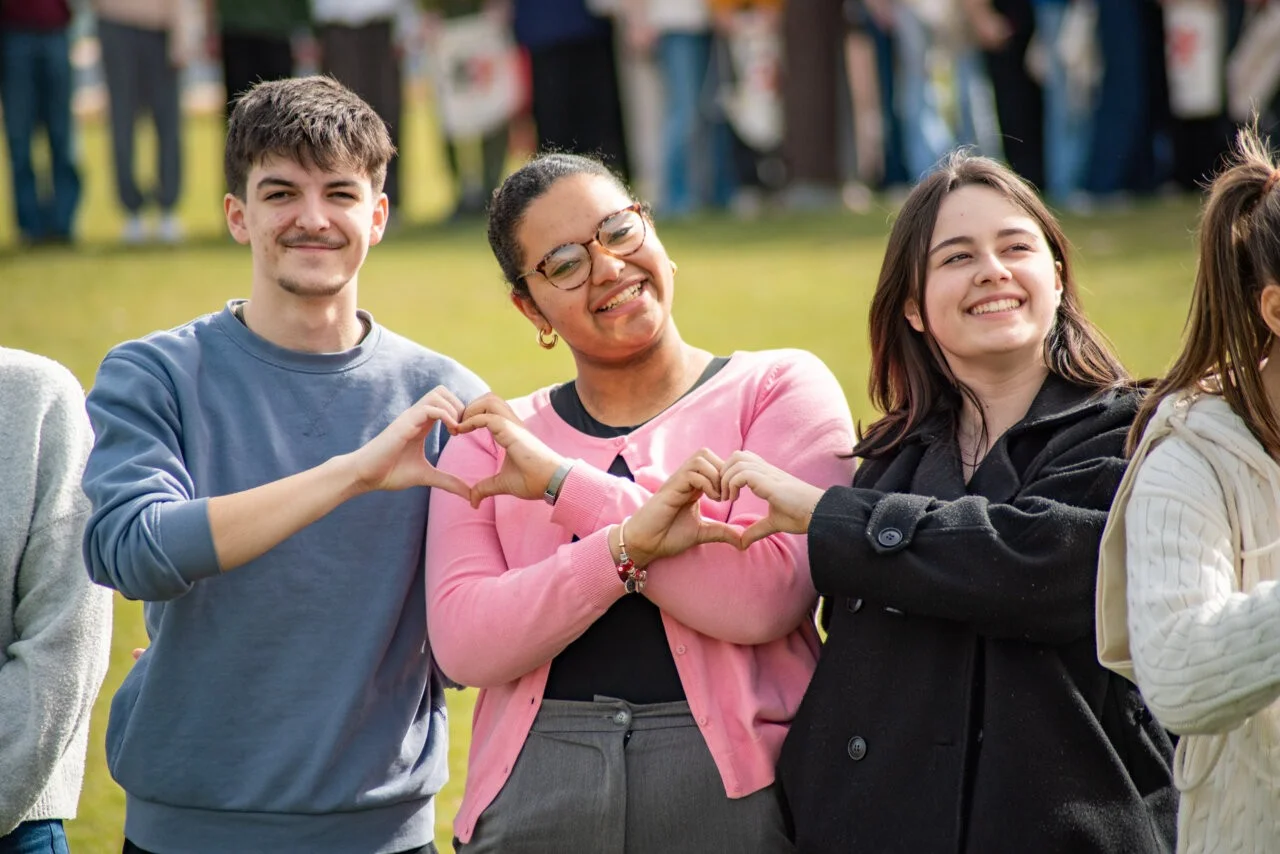
What happens when 150 young people from ten countries meet for eight days in the Children's Village and discuss topics that concern young people in Europe? What happens when they meet other cultures for the first time, live together with them and realise that differences do not divide, but open up new perspectives? A look back at the European Youth Forum Trogen and the Youth Worker Forum 2026.
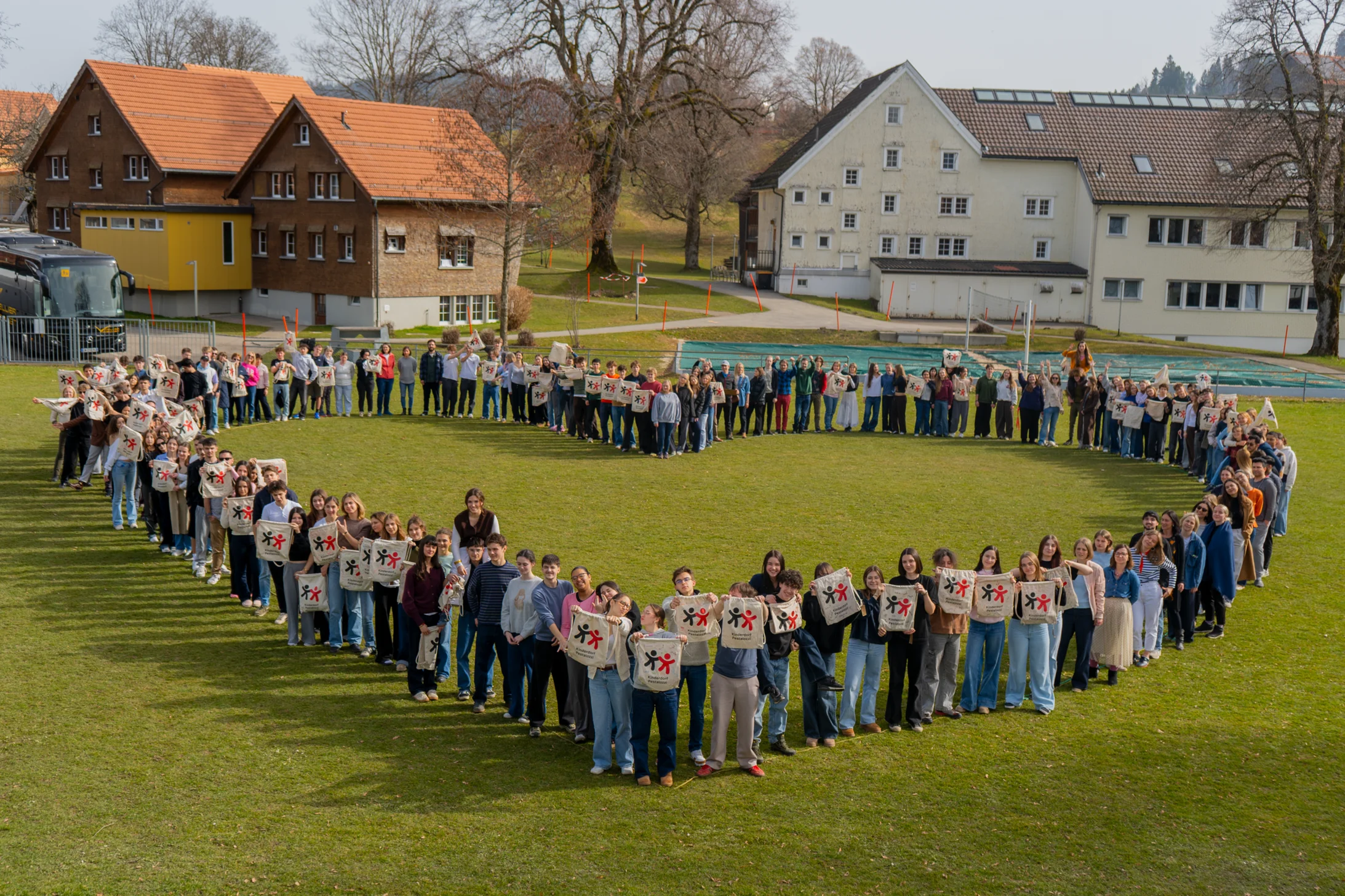
At the end of February, the Pestalozzi Children's Village in Trogen once again became a meeting place for young people from all over Europe. Around 150 participants aged between 16 and 20 took part in the European Youth Forum Trogen (EYFT) to spend a week living together in the Children's Village and discussing the issues that are currently affecting young people in Europe.
The focus was on discussing social challenges and the question of how young people can actively shape their future. The forum revealed perspectives that often remain separate in everyday life. In five workshops, the young people explored climate, peace, democracy, social cohesion and discrimination. The focus was on joint discussions as well as individual reflections and leisure activities.
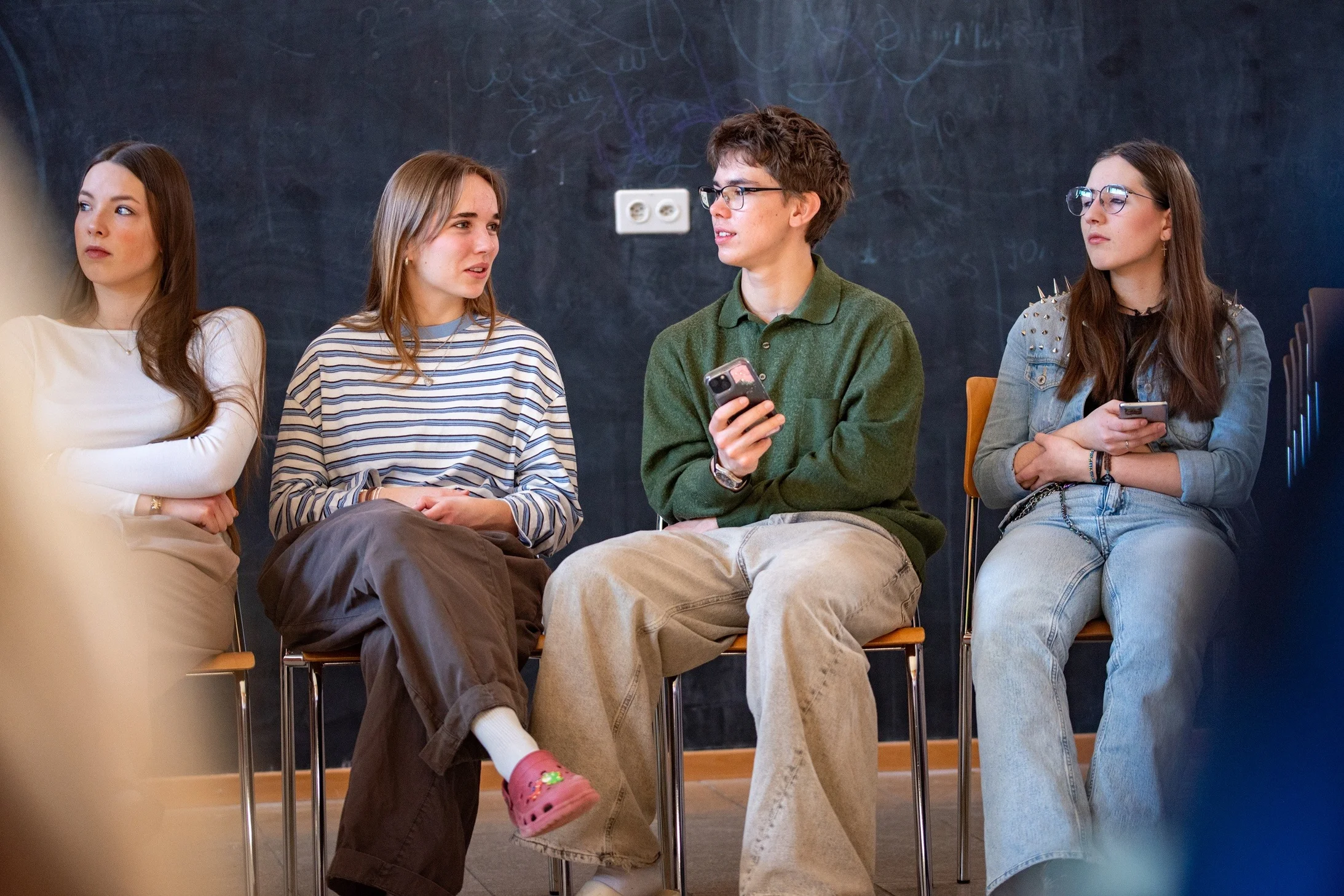
Co-determining the future
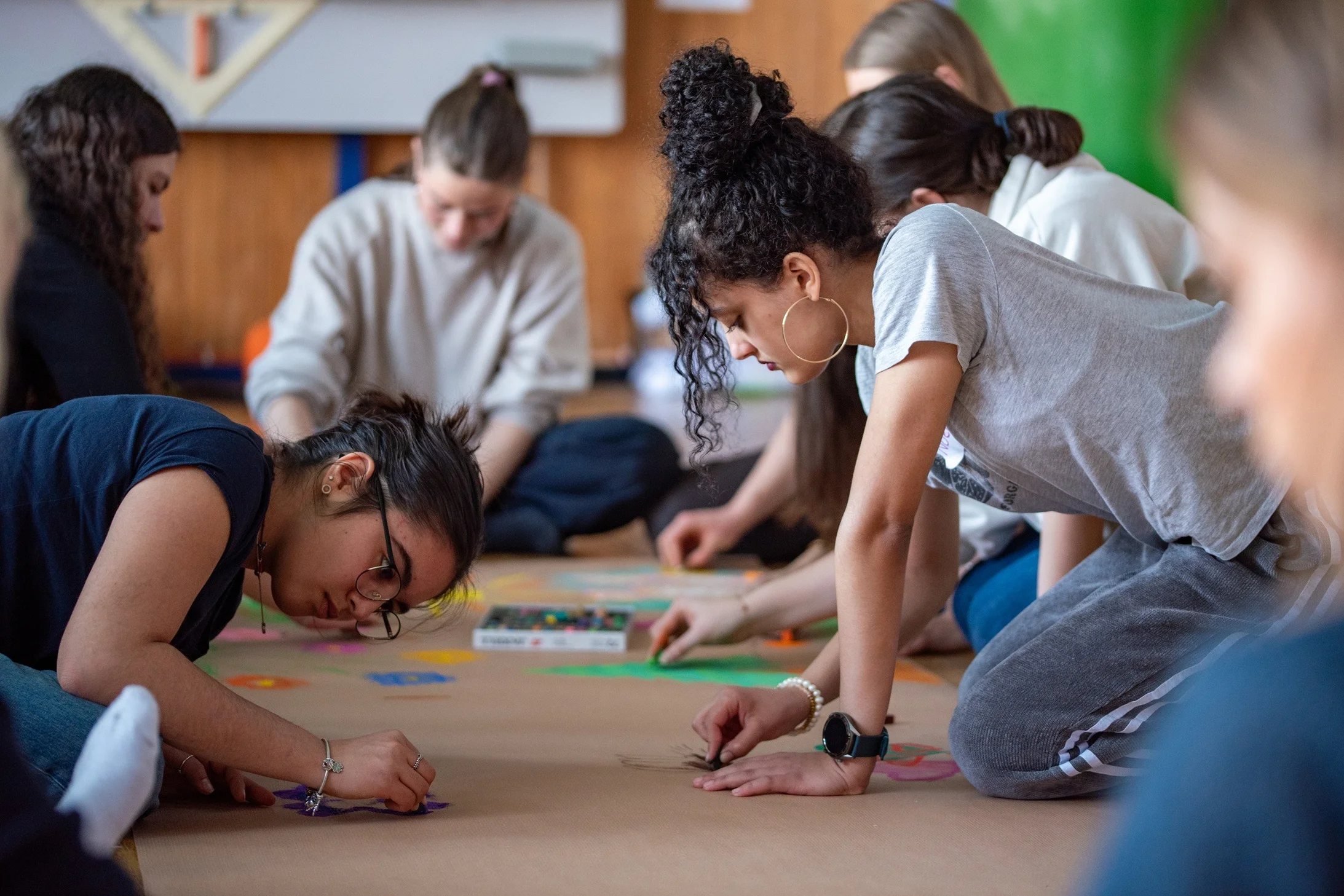
In the 'Beautiful Trouble' workshop, the young adults focussed intensively on identity and social stereotypes. Questions such as "Where do you feel at home?" or "What clichés are you confronted with?" brought prejudices to light and opened up discussions about differences and similarities. At the same time, they applied these reflections to global challenges: Climate change, social inequality and political conflicts were not just seen as individual problems, but as issues where biased perspectives and misunderstandings between societies make solutions difficult. It quickly became clear that breaking down prejudices is a key to tackling global challenges constructively.
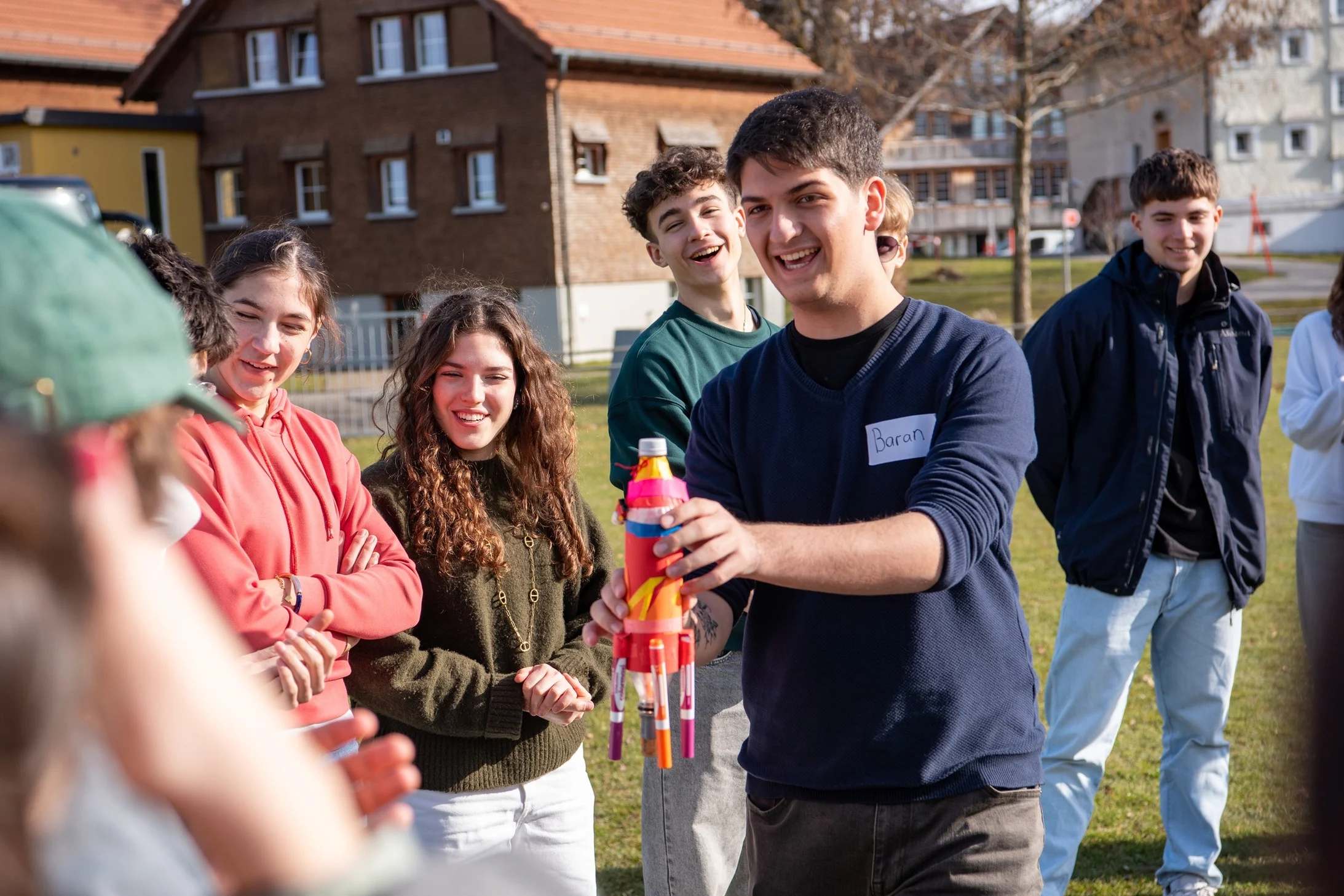
In addition to the workshops, the week was characterised above all by living together in the Children's Village. The 'changemakers of the future' lived together in mixed groups. They learnt to share their everyday lives with people from different contexts and to encounter different realities of life. Gosia, a participant from Poland, described her first moment in the Children's Village as follows: 'When we got off the bus, other delegations were already waving and calling out to us. The atmosphere was immediately incredibly warm.'
Over the course of the week, encounters were made that went beyond the official programme. These encounters in particular changed their perspective: "You see a lot of news about current problems in the world on the internet," said one 17-year-old. 'But talking to people who are really experiencing it is something completely different. Everyone has their own background, but we share a lot in common and can only overcome grievances together.'
A central element of the EYFT was co-determination. In the so-called general assemblies, a daily dialogue format, the young people raised their concerns from the workshops, discussed solutions and made joint decisions. In this way, they experienced democratic processes first-hand and learnt to negotiate different positions and needs.
Interdisciplinary dialogue at the Youth Worker Forum
The Youth Worker Forum (YWF) was held in parallel to the EYFT. Youth work experts from various European countries discussed how radicalisation processes develop among young people and how prevention can succeed in practice. A key finding was that radicalisation often does not begin with an ideology, but rather arises from feelings of exclusion, injustice or a lack of belonging - which underlines the importance of community and social support.
The role of social media received particular attention: they can reinforce radicalisation, but at the same time offer new approaches for prevention. The digitalstreetwork.ch project, which carries out outreach digital youth work and is implemented by the Pestalozzi Children's Village, contributed practical knowledge to this interdisciplinary framework. This resulted in a productive exchange between research, practical youth work and skills development. The participants identified key questions and fields of action for the future - from criteria for successful prevention strategies to support for young people who are already radicalised - and benefited from the exchange of experiences with experts from other countries.
Learning across borders
The exchange between experts and the experiences of the young people showed how important international encounters are. They provide insights into other realities of life, promote dialogue on social issues and raise awareness of the fact that many challenges transcend national borders.
At the end of the week, the workshop groups presented their results to all 150 participants. They presented ideas, discussions and perspectives - from strategies against discrimination to approaches for social cohesion. One participant from Ukraine summarised a key question for many young people: 'What can I as a young person do about these problems in the world?' Young people are often told that their voice carries little weight. "But that's not true," she said. 'If you raise your voice loudly and confidently, you can change a lot of things. Because big things often start small.' Her words summarised what many people took away from this week: Commitment starts on a small scale, and young people can actively help shape the future.
Partners &
Sponsors
