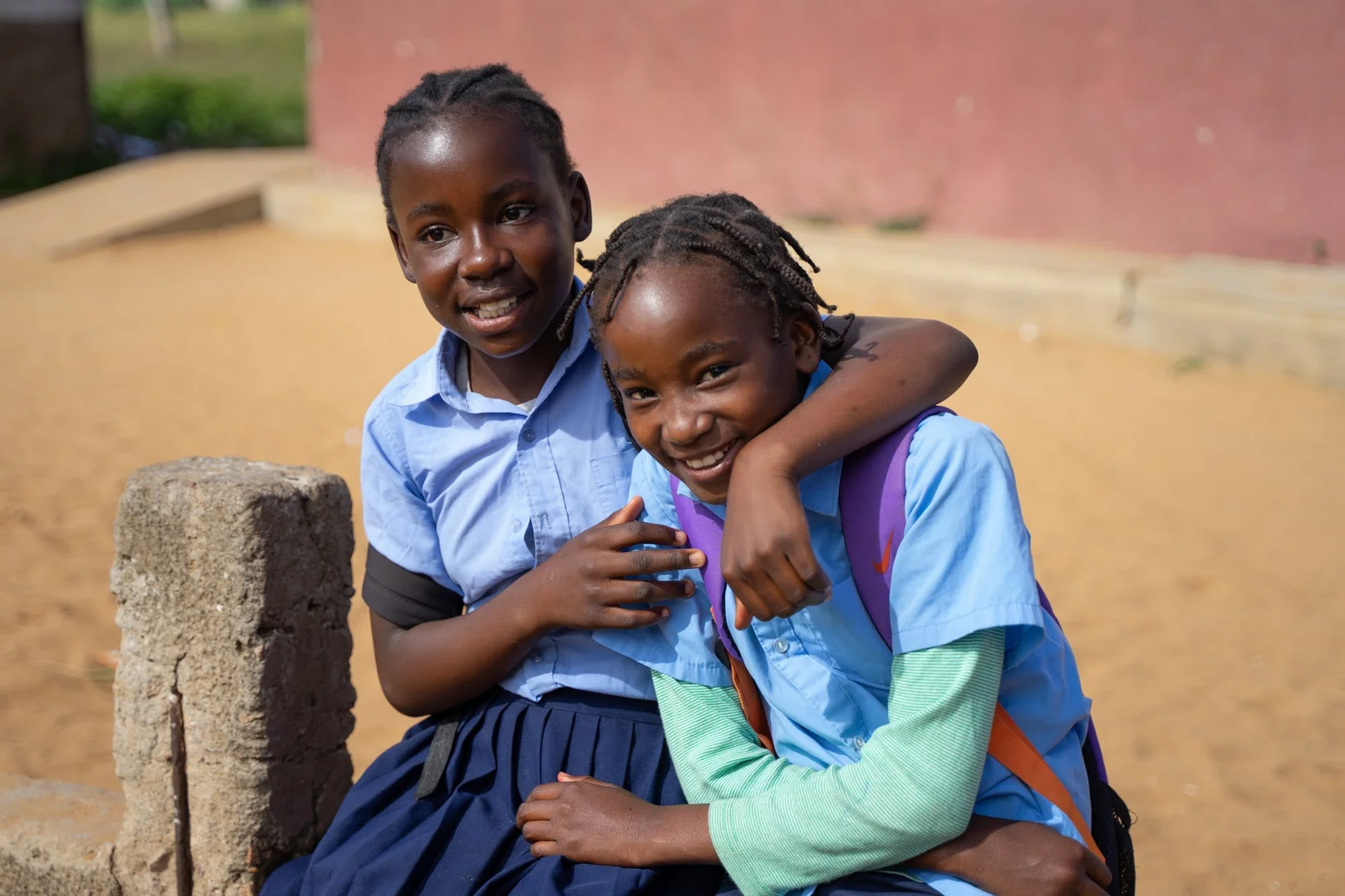
The national cross-sectoral mechanism for protecting children from violence in the school environment strengthens child protection in schools through coordinated measures taken by various state and civil society actors.
The Education for All Network (MEPT) – a coalition of national, international and multilateral stakeholders in the education sector in Mozambique – and our local partner organisation, the Centre for Learning and Capacity Building of Civil Society (CESC) jointly developed the mechanism in 2019 with UNICEF and submitted it to the Ministry of Education and Human Development (MINEDH), which officially introduced it in 2020. The Pestalozzi Children’s Foundation (PCF) is committed to implementing it across the board in all three of its projects in Mozambique.
What do we do?
This was also the case at the schools supported by CESC. There, headteachers, teachers and other education professionals received training on reporting and referral procedures, as well as on how to deal with identified cases.
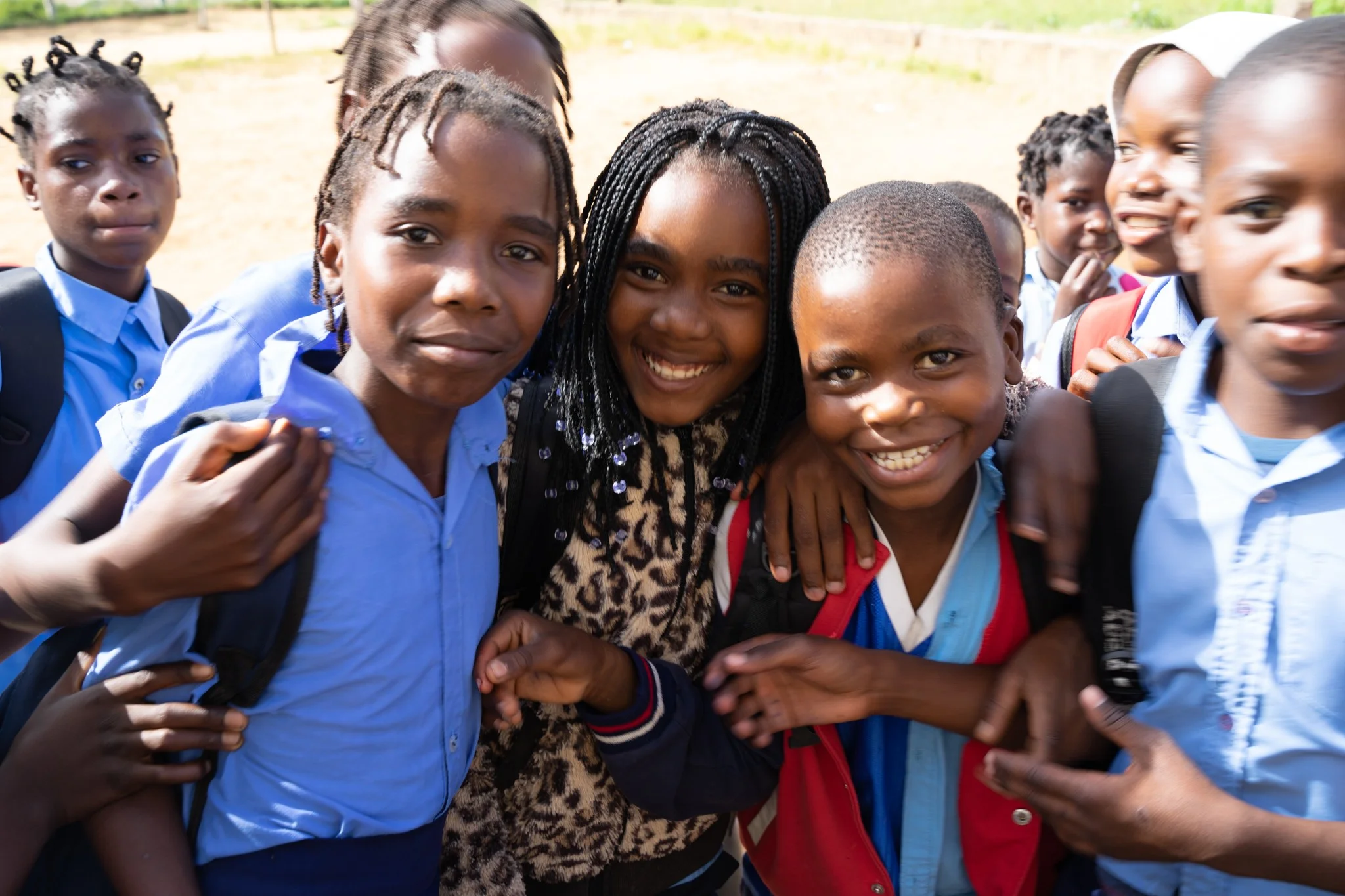
At awareness-raising events, pupils, parents and communities learnt what constitutes violence and how cases can be reported safely. At the same time, the schools established clear referral procedures and strengthened their cooperation with the police, health services and social protection agencies.
Child protection in Mozambique: Key findings
Although reporting rates are currently still manageable, field observations and local monitoring reports point to several positive outcomes:
- Awareness amongst pupils, teachers and families of various forms of violence and of how to seek help has increased.
- Coordination between schools, local authorities and child protection services has improved, leading to clearer procedures and faster responses when cases arise.
- Stakeholders in the school environment also show greater confidence in reporting and referring suspected cases, as their capacity has been strengthened and clearer guidelines are in place.
- At the same time, parents and local communities are becoming more actively involved in ensuring safe learning environments. Overall, the introduction and use of the mechanism represent significant progress in strengthening child protection in schools. Through coordinated institutional and community engagement, it helps to create safer learning environments for children.