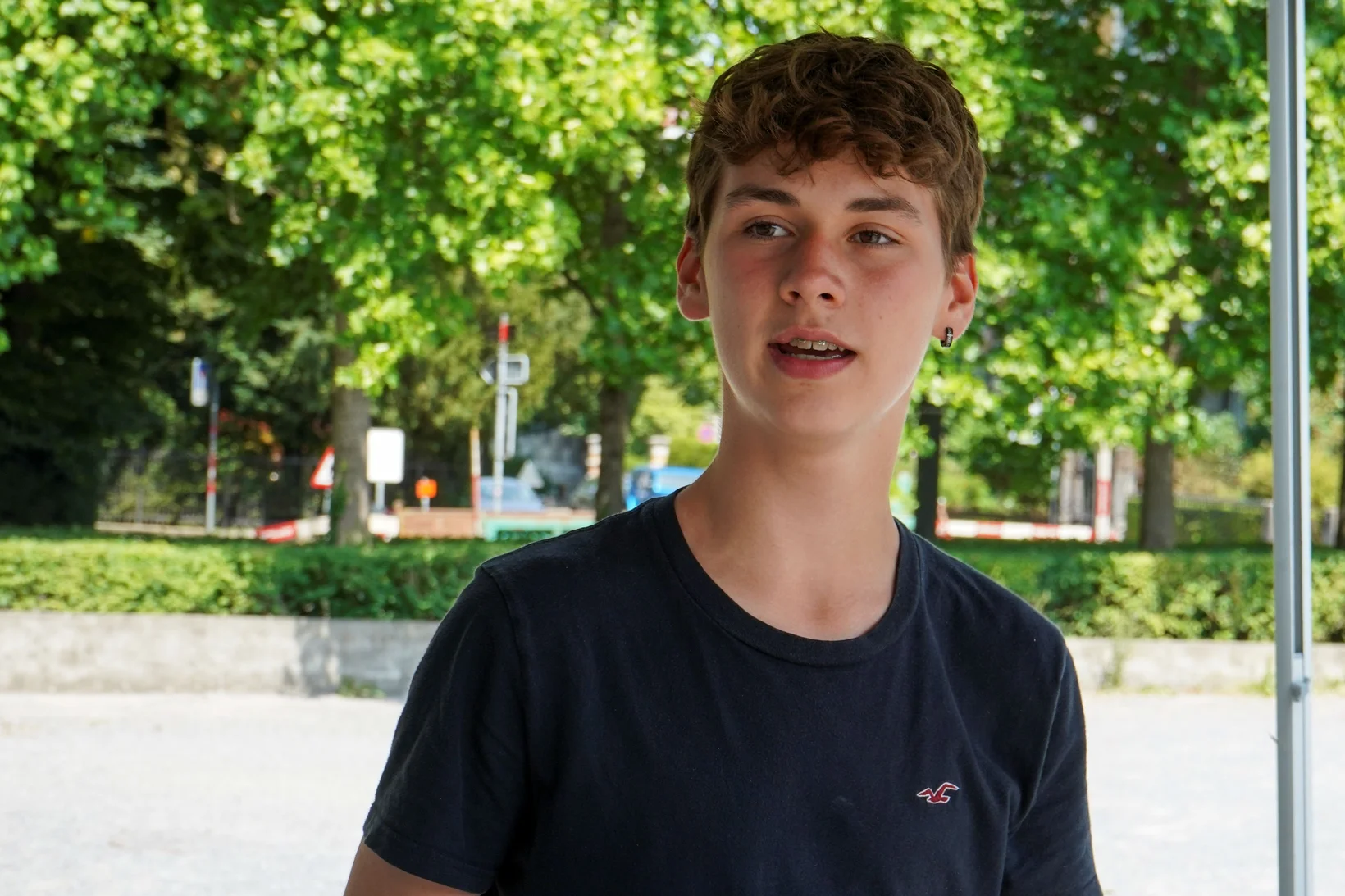
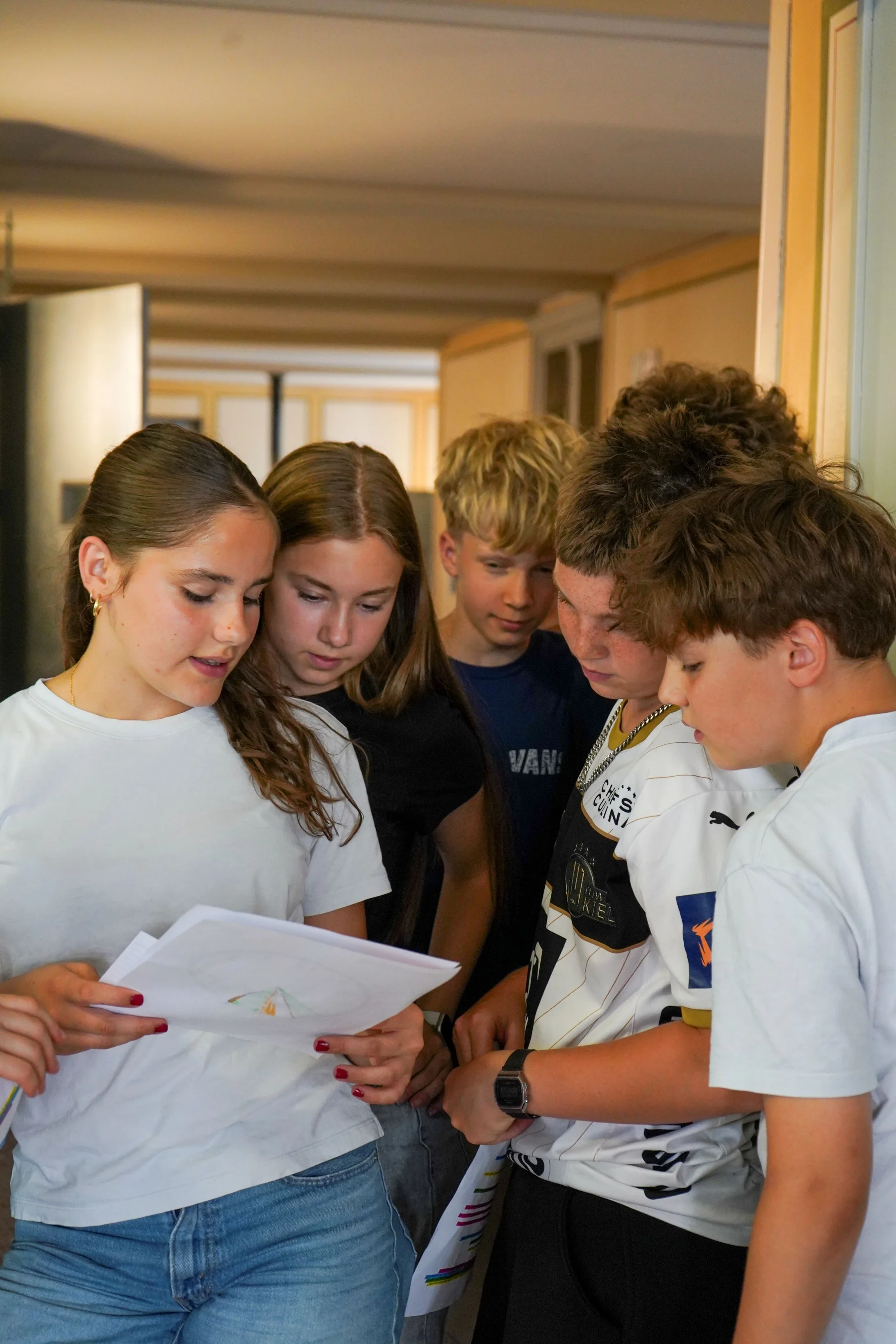
How do gender roles arise, and what does it take to achieve true equality? Sixth-form students from Blumenau in St. Gallen are exploring stereotypes, boundaries and social diversity as part of the media education project ‘Let’s Talk About Gender’. In their own radio programme, they challenge prejudices and speak out about what matters to them.
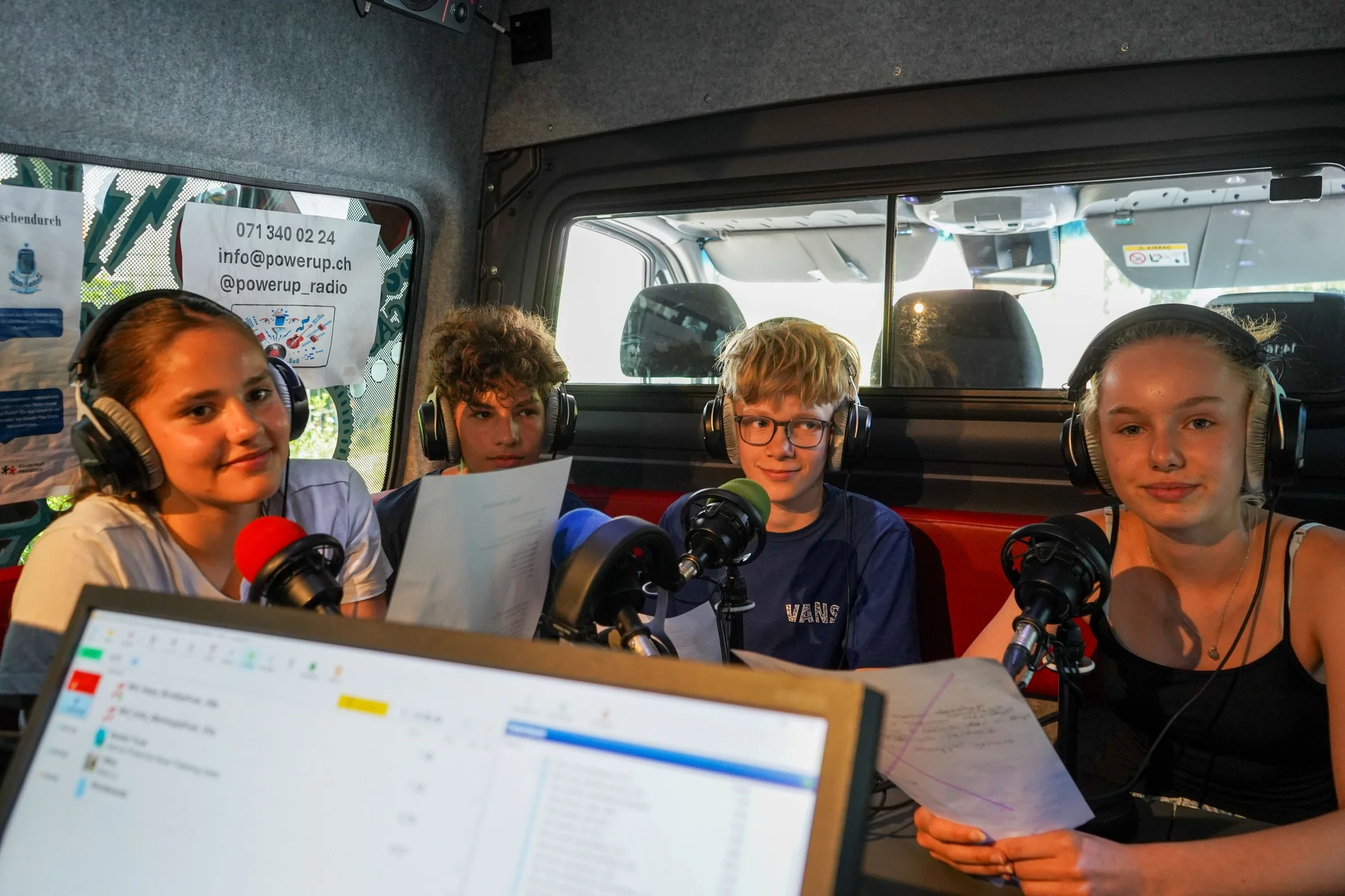
The red light is on; the microphone is open. Zoe and Marlon, both aged 13, are sitting in the powerup_radio mobile studio. For two days, they’ll be exploring gender roles, equality and behaviour that crosses the line.
Are men allowed to cry? Are girls worse at football? And who decides when behaviour crosses a line? In the ‘Let’s Talk About Gender’ project, young people discuss issues that directly affect their everyday lives. In doing so, they create their own radio programmes, which they broadcast live. In this way, the project combines an exploration of social diversity with practical media education.
When stereotypes shape everyday life: Zoe plays football and knows from her own experience just how persistent gender stereotypes can be. “I’ve often been told that girls aren’t good at sport, can’t play football anyway and are much weaker,” she says. Statements like these bother her: “We can play football just as well as the boys.”
Marlon, too, questions such assumptions: “Many stereotypes about women and men originated in the past and no longer hold true at all today.” For him, equality means respecting everyone equally:
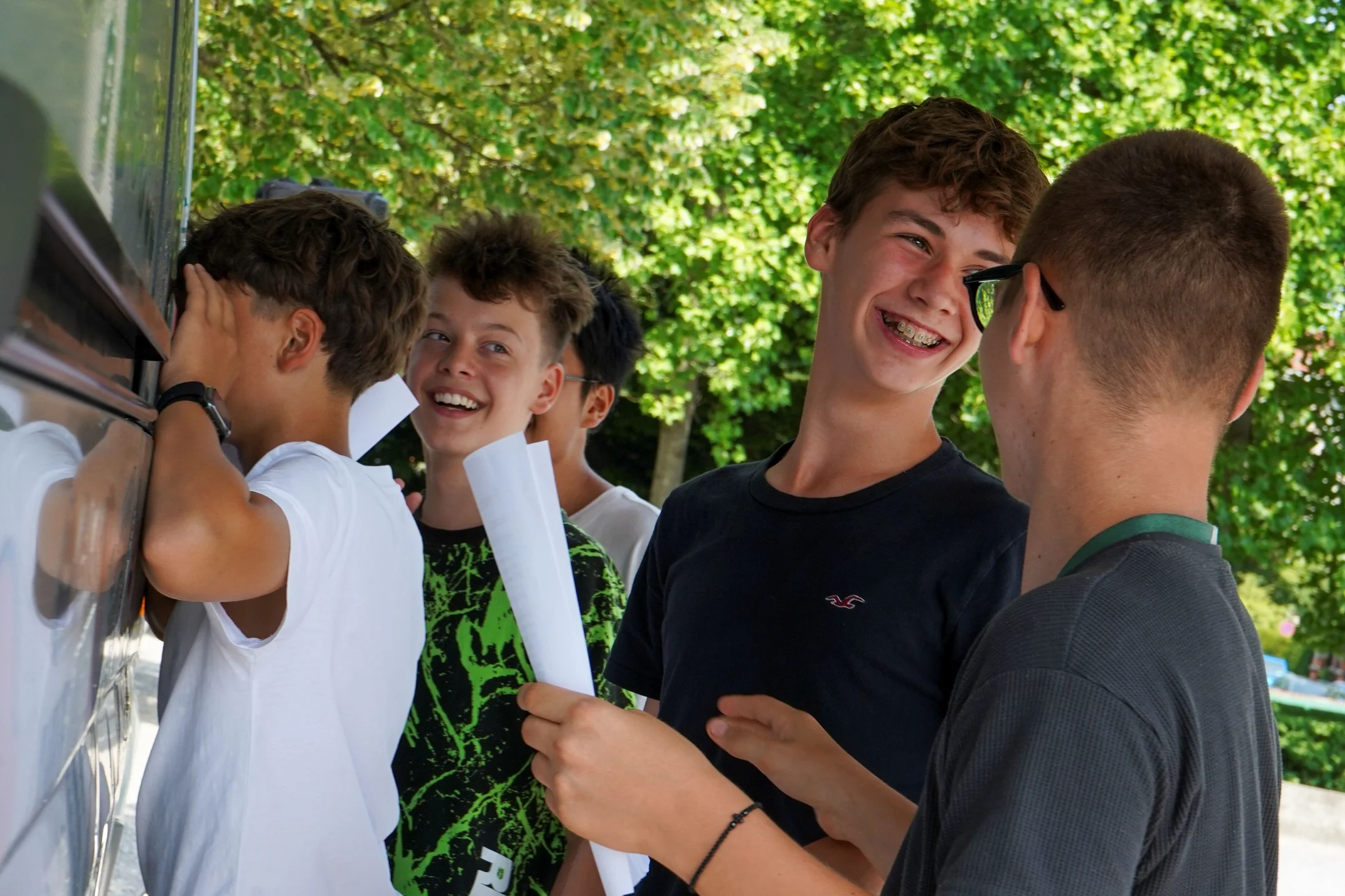
‘No one should be discriminated against on the basis of their identity.’
The class discusses issues such as pay inequality, sexual harassment and personal boundaries. For Zoe, it is crucial that every person is allowed to decide for themselves what behaviour feels right to them. What one person barely notices may already be perceived as intrusive by another. In this way, the pupils learn to consider not only their own intentions, but also the impact of their behaviour.
Using media to promote diversity
Now the young people take on the role of presenters. They choose topics, come up with questions and prepare their programme. However, simply expressing an opinion isn’t enough when in front of the microphone. The young people must communicate clearly, listen attentively and respond at the right moment. This results in a collaborative programme in which different voices are given a platform.
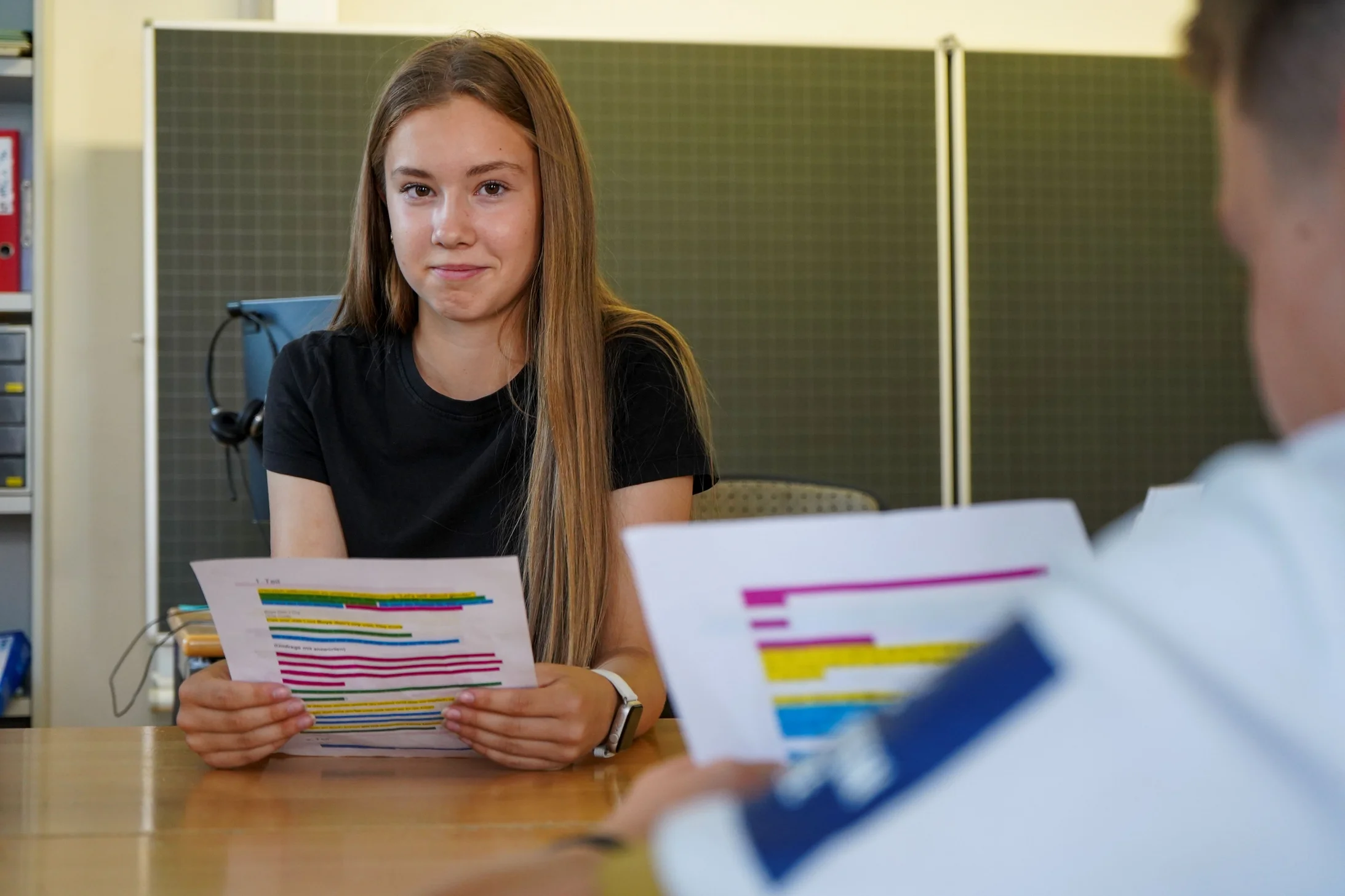
The pupils realise that their perspective matters, but that it also comes with responsibility. They plan, produce and broadcast their own content. They learn to use the media thoughtfully, critically and respectfully. At the same time, they use the format to challenge prejudices and highlight social diversity.
Zoe sums up her view simply: “Everyone should have the same opportunities in our society.” Marlon adds: “No one should be put under pressure or excluded because of their identity.” When the red light in the radio bus goes out, Zoe and Marlon have produced more than just a programme. They have taken a stand, listened to other voices and realised that the media can not only reflect societal images but also change them.
Supported by the Social Affairs Office of the Canton of St. Gallen, Department of Integration and Equality.