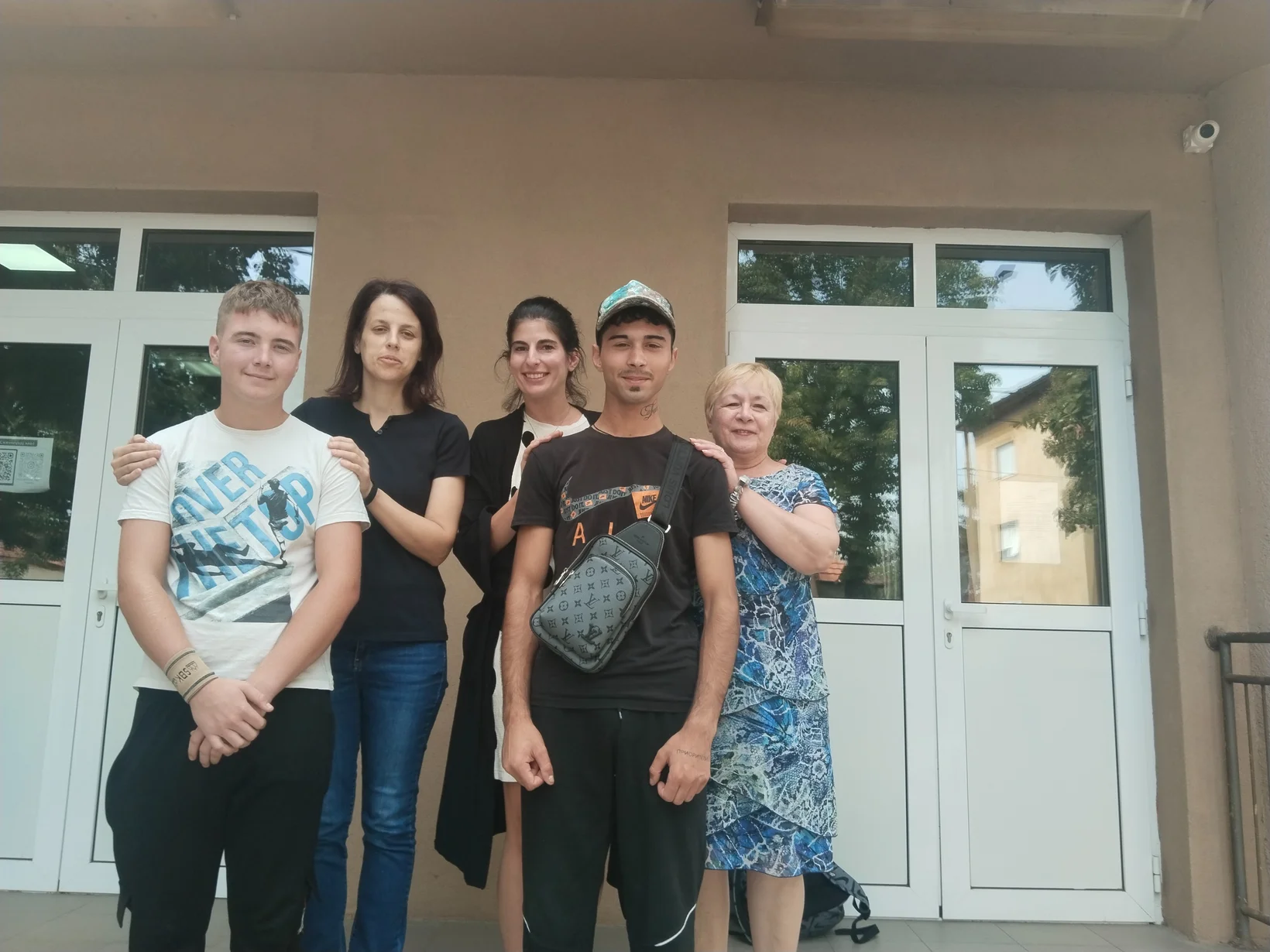
The transition from primary to secondary school is a particularly critical moment in the Serbian education system – especially for children from marginalized communities. Our project, "Together to Secondary School," addressed precisely this juncture. It empowered numerous children and young people and simultaneously developed a school model with the potential for nationwide scaling.
In the participating schools, the percentage of Roma students successfully transitioning to secondary school rose from 52.6 to over 90 percent within six years, while dropout rates fell significantly. This was made possible by a systematic transition model: risks were identified early, children were specifically prepared, and they received close support even after the transition.
This is what we have achieved in 9 years (project documentation with English subtitles)
Documentation touchante sur le projet (avec sous-titres en anglais)
I agree to display content from external services. They may receive and store personal data. See our privacy policy for more informationTwo students, two schools – together on the path to success
The stories of Denis (18) and Filip (15) exemplify the significant improvements at the individual level. Both were at one point on the verge of dropping out of school. The reasons for this varied and ranged from family challenges and problems to learning difficulties and changes of residence, to the feeling of not being good enough for school, or a lack of ambition for further education.
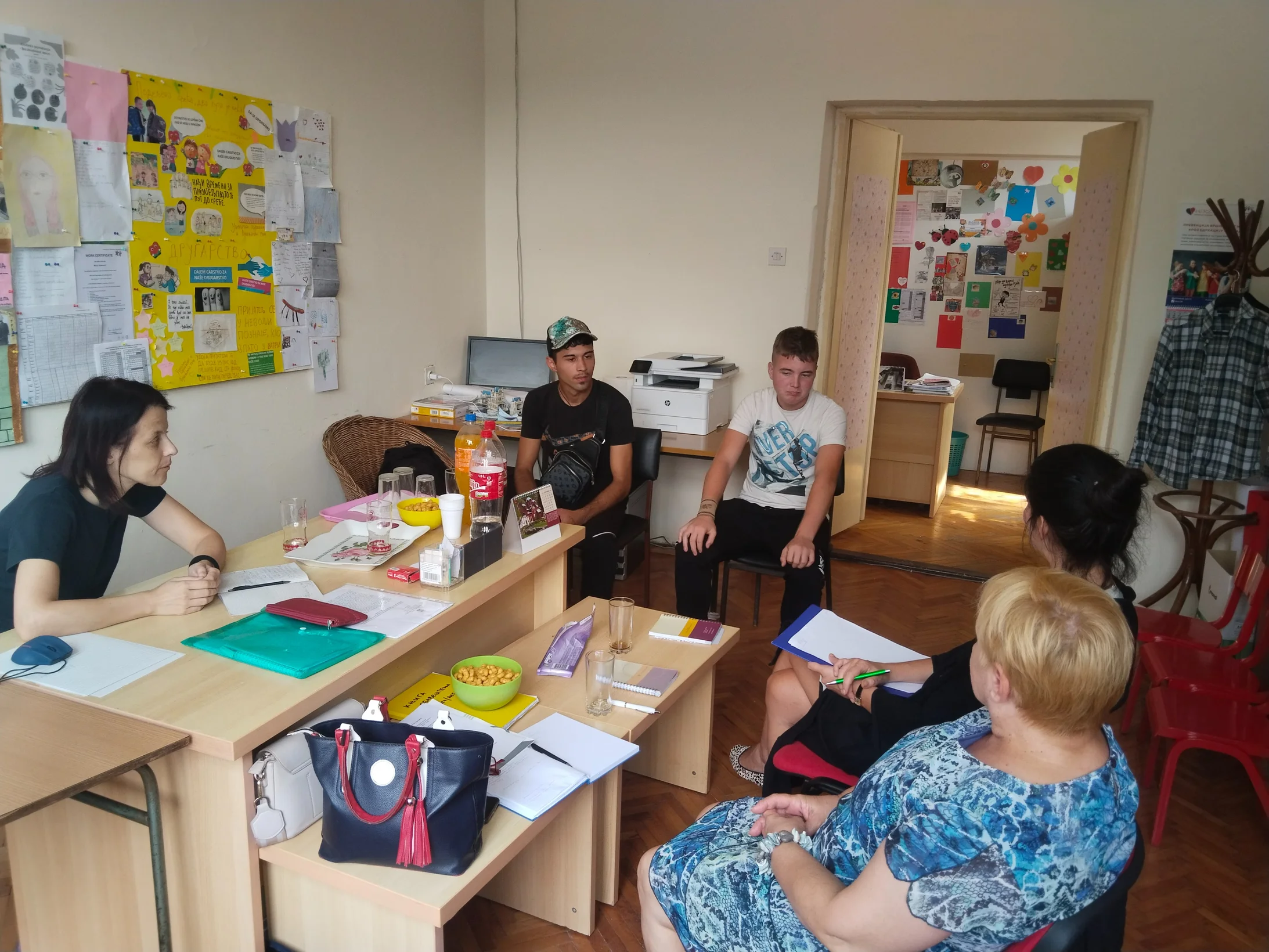
The fact that they nevertheless continued their education and can now look to the future with optimism is the result of the institutionalized interaction between dedicated teachers and early-responding specialists – supported by great commitment and mutual trust.
In the case of Denis and Filip, the Vuk Karadzic Primary School and the Technical High School in Ćuprija exchanged educational profiles of the students, developed joint support plans and established a continuous exchange to closely support the transition to secondary school and track progress until graduation.
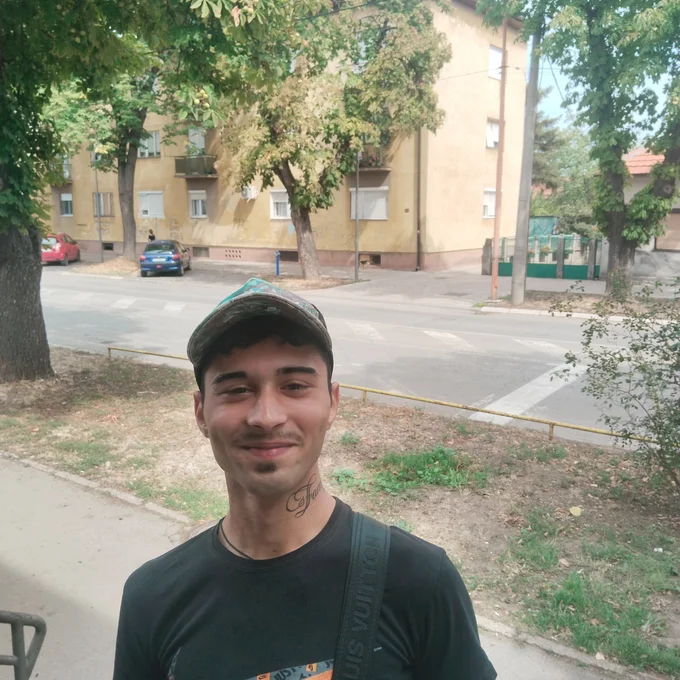
"I always trusted my teachers. Whenever I had a problem, I could turn to them."
Secondary school instead of early start to work
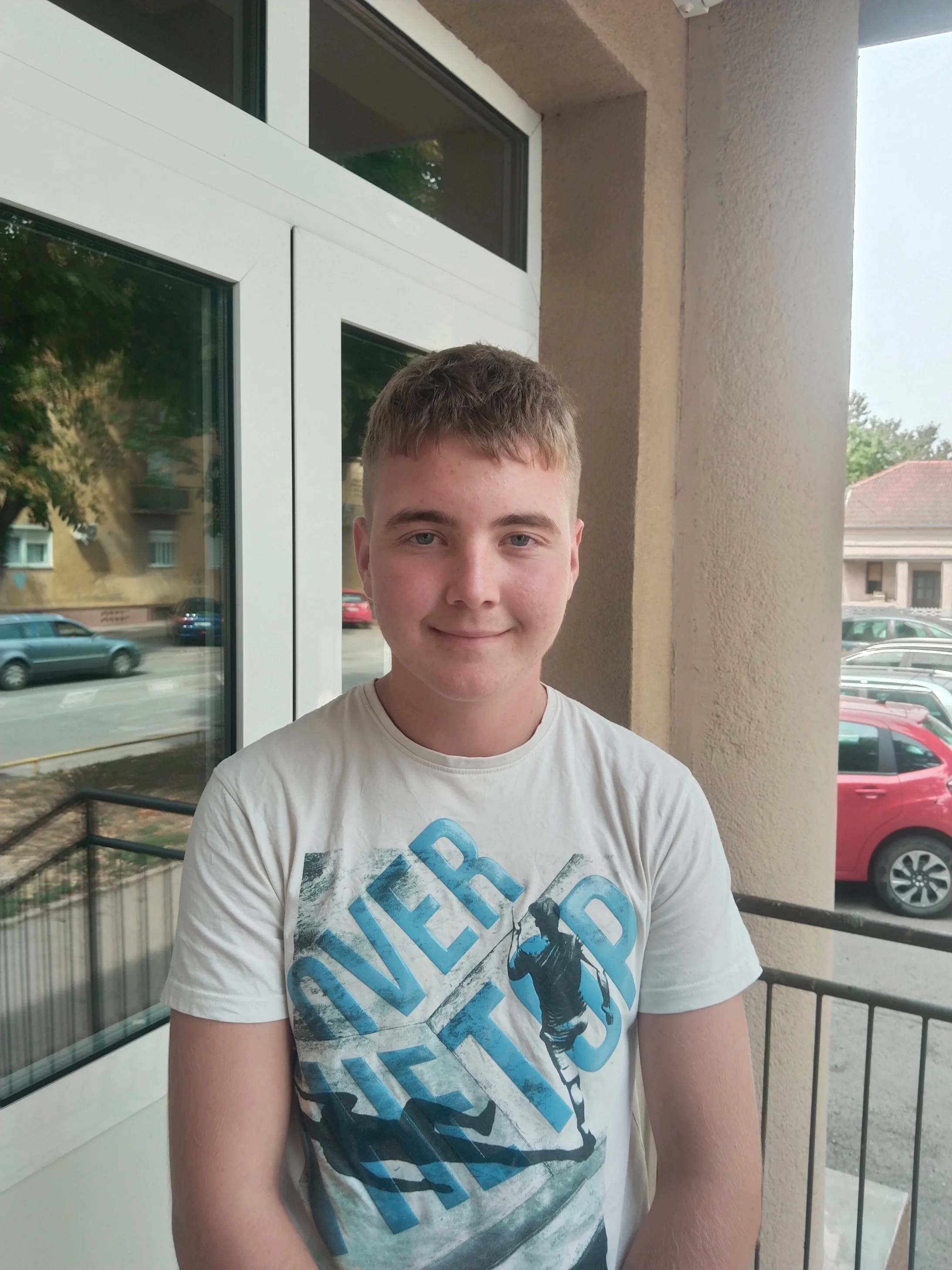
Denis grew up in a Roma family of eight. In his free time, he works as a DJ and singer, and he's particularly fond of Spanish music. "Music is half my life," he says. The school psychologist proudly mentions that Denis composed his secondary school's anthem. To expand his vocabulary, Denis reads a lot. He received his favorite book as a graduation present.
Looking back, he describes primary school as paradise. "I spent eight years of my life there. I know every teacher inside and out, and they know me too." His class teacher and the teaching assistant were particularly important to him: "I always trusted them. Whenever I had a problem, I could turn to them." He also felt well cared for in secondary school, especially in the practical lessons.
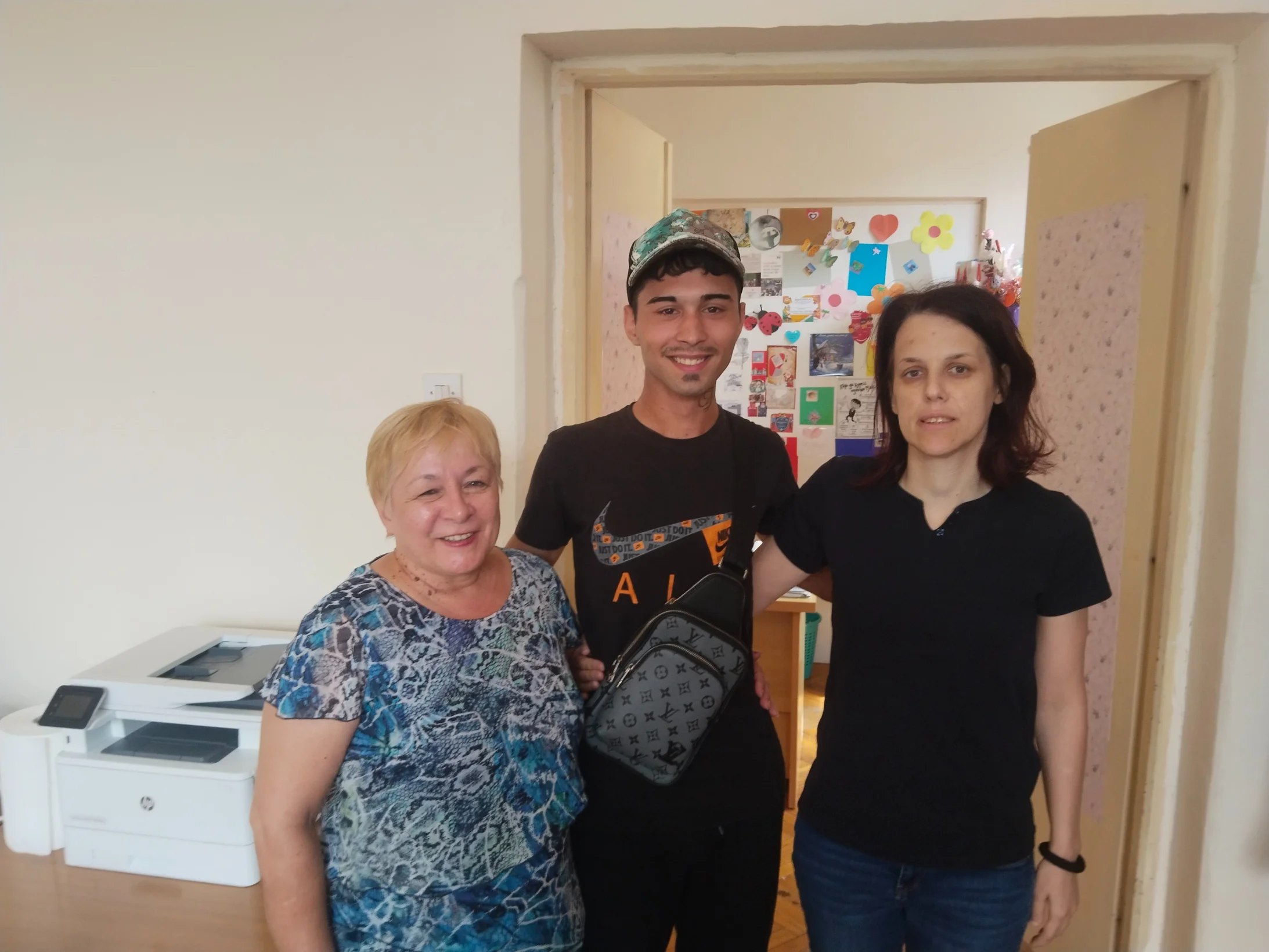
Denis was initially determined to enter the workforce directly after primary school and help his father as a painter. Transferring to secondary school was out of the question for him at first. It was only through targeted career guidance, numerous career planning activities, and close cooperation between the school and his parents that he changed his mind – and successfully completed his apprenticeship in furniture making.
“I was even better in secondary school. I was more motivated to learn and chose an educational profile that I really enjoyed.” His highlights during this time included the practical lessons, the various workshops, the activities in the transition club, and spending time with peers.
"For me, education means one thing above all: being able to read and write, having an education – and later being able to help my children with their homework."
Towards the end of secondary school, Denis felt a growing desire to continue his education. Career counselors drew his attention to the "Applied Science – Mechanical Engineering" degree program. And so, in October 2025, the next phase of his education began. For him, education means above all one thing: "Being able to read and write, having a vocational qualification – and later being able to help my children with their homework."
"My class teacher was always there for me"
Filip is an only child and lives with his divorced father in Ćuprija. His mother lives in a remote village. In his free time, he plays sports, goes fishing, and meets up with friends. A primary school teacher describes him as a helpful boy with a big heart who only appears shy at first glance.
Filip transferred to the Vuk Karadžić Primary School in third grade. There, teachers, specialists, and classmates all worked together to support him. He fondly remembers his class and the lessons. The tutoring, guidance, and close support helped him master the daily school routine and overcome his insecurities. "The teachers were role models for me, especially my homeroom teacher, who was always there for me," Filip emphasizes.
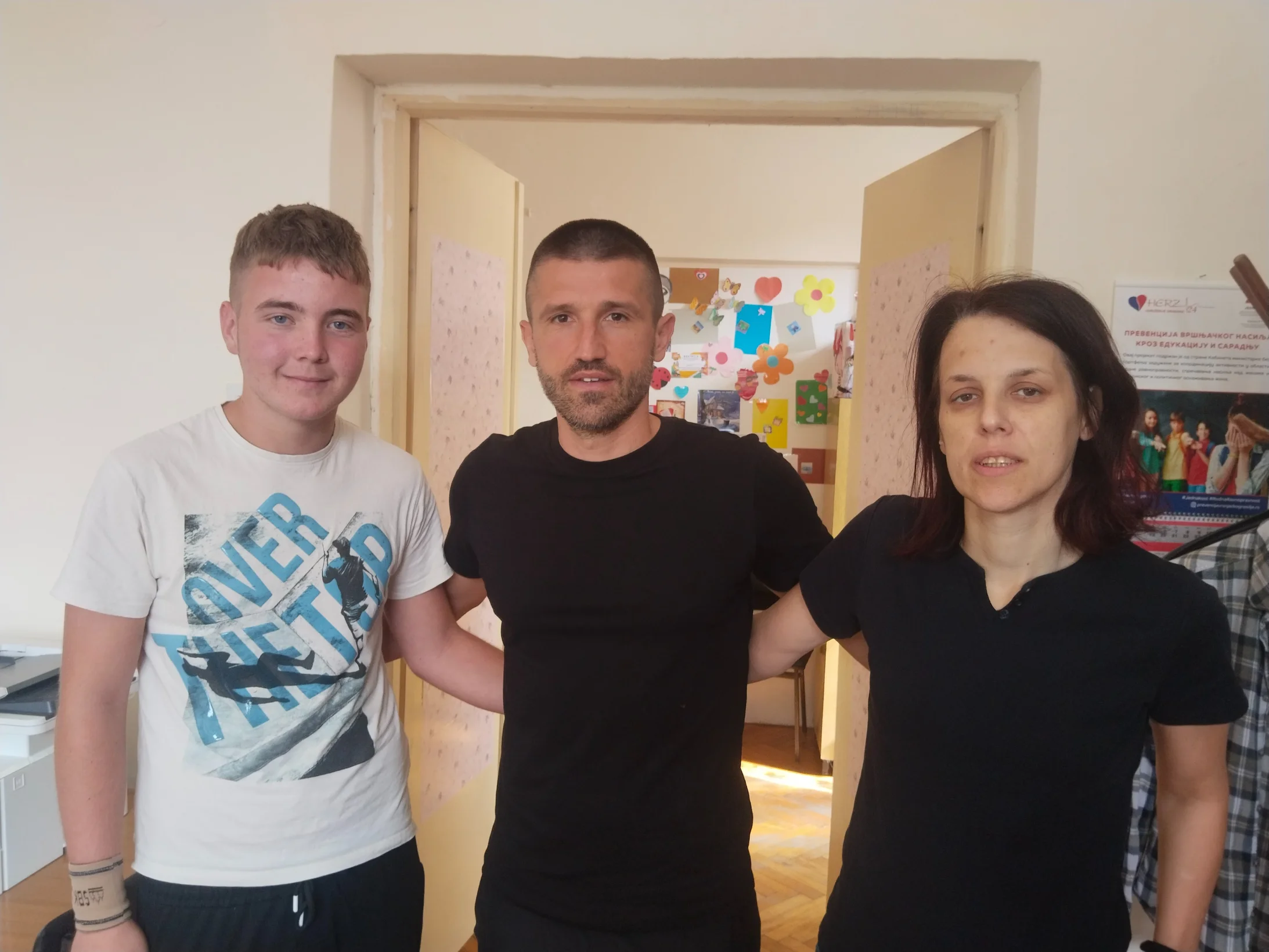
The school also supported him in his career orientation. Filip was interested in transportation and logistics from an early age. When choosing his secondary school, he initially wavered between two options. After discussions with peers and experts, he decided on the Technical School in Ćuprija, where he enrolled last year in the "Logistics and Freight Forwarding Technician" program. Denis's story also reinforced his decision.
"This is a story about partnership, commitment, and building bridges for the most vulnerable – so that they can successfully complete their education."
Institutionalized practice with scaling potential
Today, both Denis and Filip have clear plans for their future – and above all, confidence in themselves. Their paths demonstrate how crucial close cooperation between primary and secondary schools can be.
What began as a project is now firmly established in the system: Legally binding transition plans, clear responsibilities, standardized tools, and interdisciplinary collaboration at the municipal level ensure that schools implement the measures independently. Responsibility no longer rests with individuals but is part of institutional practice.
This impact did not go unnoticed nationally. The Ministry of Education officially recognized the model as highly effective and pledged its nationwide implementation. This will not only change access to secondary school but also how schools treat disadvantaged children. It will create a foundation for individualized educational pathways that were previously almost impossible.
The program is supported by the Swiss Agency for Development and Cooperation (SDC), Federal Department of Foreign Affairs (FDFA).