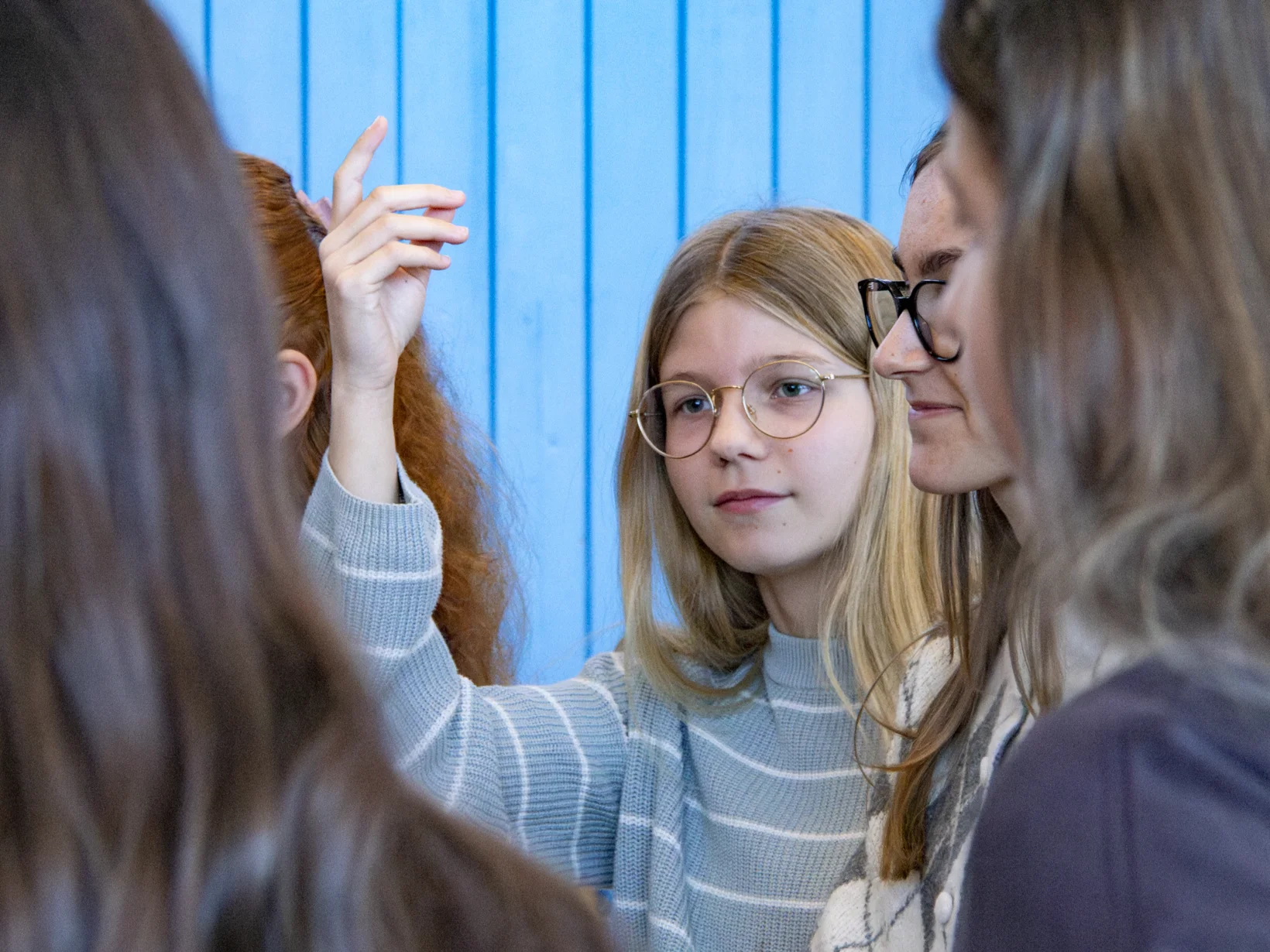
The third youth conference took place at the Pestalozzi Children's Village from 1 to 5 December 2025. Over the course of five days, 64 young people from three schools in St.Gallen spent a great deal of time discussing democratic participation - with the support of education experts from the Foundation and the St.Gallen University of Teacher Education.
The youth conference focussed on experience-based political education: In workshops, committee meetings and a session simulation, the participants developed specific legislative proposals on the topics of equal rights, mental health and mobility. They then presented the results to representatives of cantonal and municipal politics.

From the marketplace to the session
At the beginning, the marketplace in the Children's Village offered the young people the opportunity to meet various organisations and people (Lisa Roth, President of the Trogen Municipal Council, Pro Natura, the SGAIAR Youth Parliament, Caritas Switzerland and Hanissha Soosai, UN Youth Delegate for Switzerland and others). This allowed the students to experience different forms of social engagement, which provided initial impetus for their future work. In the subsequent committee groups, they worked out ideas together and developed these into concrete legislative proposals in the committee meetings. These were then submitted to the session for discussion.
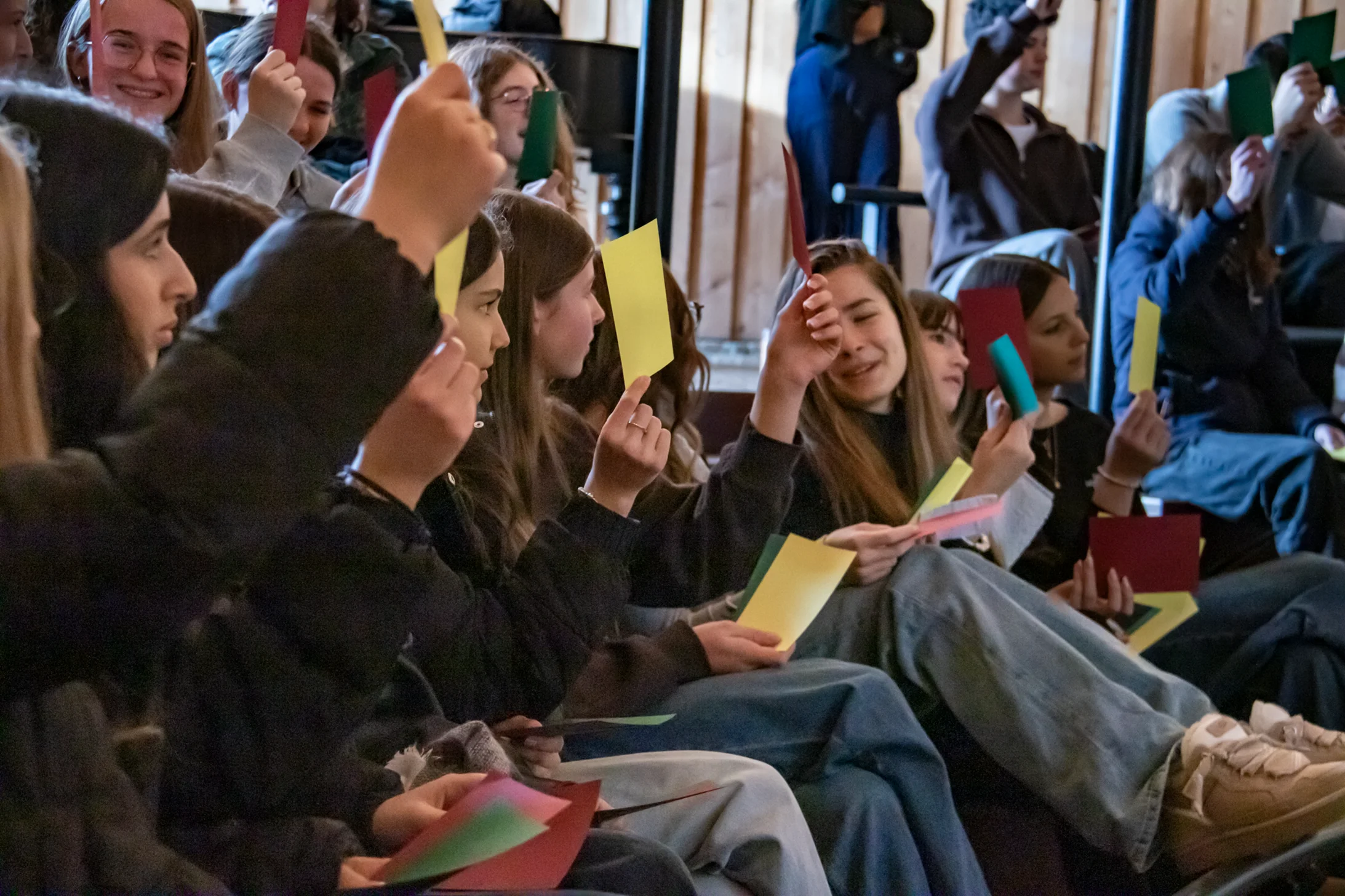
During the session, the young people presented their proposals to the participants of the youth conference and politicians (Andy Benz-Schmidheiny, Canton of St.Gallen Education Council and Simone Thoma, Trogen Municipal Councillor). Finally, and building on these proposals, they formulated so-called "action plans" in which they presented specific measures that they will continue to pursue beyond the project week.
'The earlier young people engage with political mechanisms, the easier it will be for them to participate in democratic processes later on.'
Becoming a creative part of society
The youth conference showed how seriously and differentiated young people take social challenges. Quotes from the participants clearly emphasise this: 'We had to weigh up arguments and find compromises - that's how I understood how demanding political decisions are,' explained one Elon, 16, from Bazenheid. The importance of the format was also emphasised by politicians. Simone Thoma emphasised: 'The earlier young people get to grips with political mechanisms, the easier it is for them to participate in democratic processes later on.'
The action plans developed - including projects to raise awareness of waste separation in kindergartens or local environmental campaigns - show that political education has an impact beyond the week and can trigger concrete initiatives. The Action Plans are based on the educational concept of learning through engagement. The aim is for young people to develop their projects together with partners outside of school - such as civil society organisations, social institutions or environmental associations - and to address real social needs. This collaboration results in projects with concrete benefits, such as meeting events, environmental campaigns or support programmes for local institutions. The young people experience themselves as self-effective and as a formative part of society, while at the same time their commitment becomes visible and effective.
Cooperation between two educational institutions
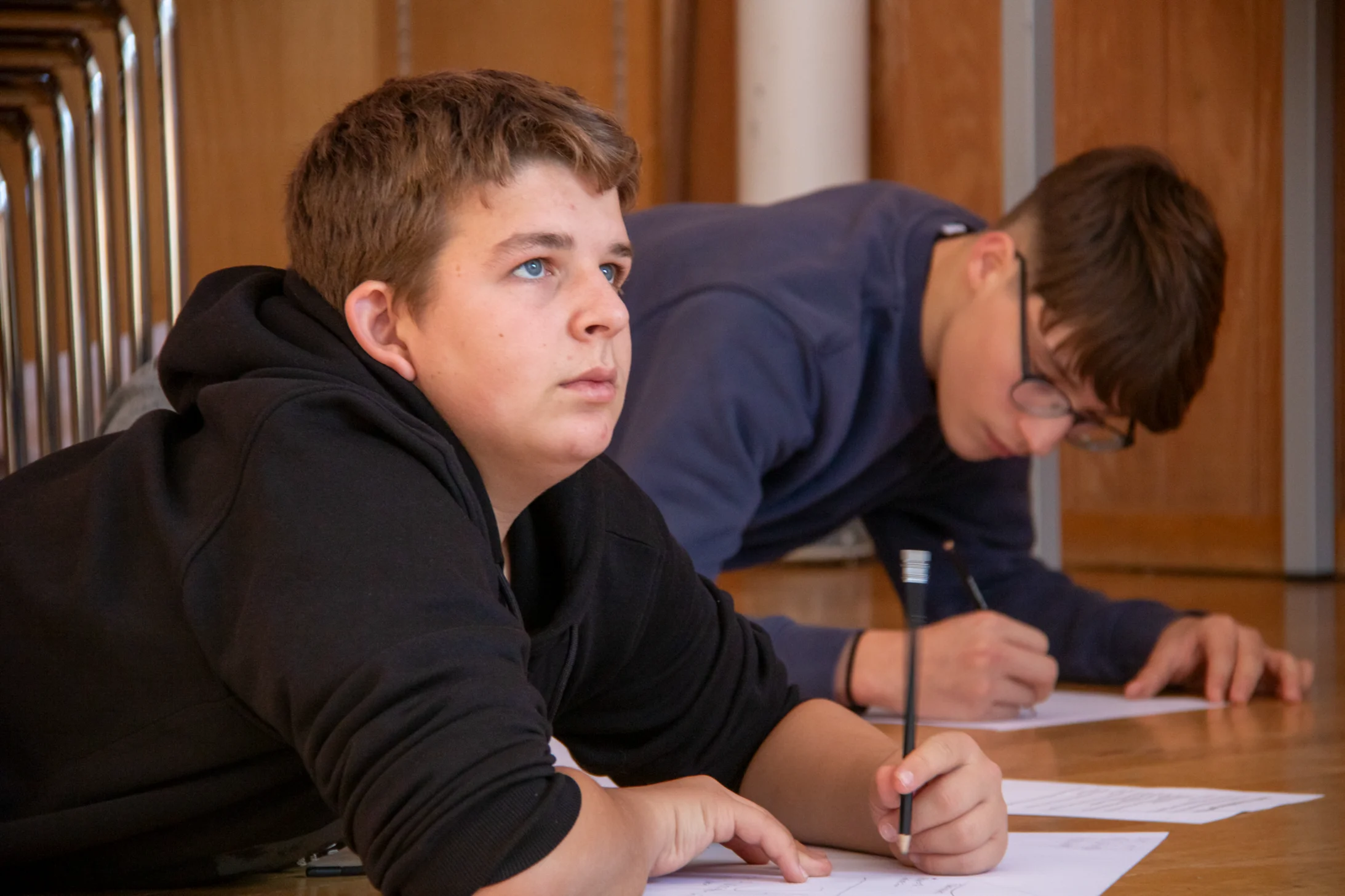
As the host organisation, the Pestalozzi Children's Foundation provided a framework in which young people could directly experience democratic processes and democratic participation. The close cooperation with the St.Gallen University of Teacher Education once again proved to be an added value. The action plans developed during the conference will be jointly evaluated in spring 2026 - using media education radio projects, among other things. This means that the impact of the youth conference will remain visible and, above all, audible beyond the project week.